

Maintaining strong bones and flexible joints is essential for living a healthy and active life. As we age, our bones can lose density, and our joints may become stiff or painful, affecting mobility and quality of life. The good news is that regular exercise can help prevent these problems, improve bone strength, and keep joints flexible. In this article, we will explore the best exercises for healthy joints and bones and explain why each is beneficial.
Why Healthy Joints and Bones Matter
Bones provide structure and support for our body, while joints allow movement and flexibility. Over time, factors like aging, poor nutrition, lack of physical activity, or injuries can weaken bones and stiffen joints. Weak bones increase the risk of fractures, while joint problems can limit mobility and make daily activities challenging.
Exercising regularly strengthens the muscles around the joints, improves bone density, and enhances overall flexibility. Strong bones and joints help you stay independent, prevent injuries, and improve your overall health and wellbeing.
Best Exercises for Healthy Bones
Bone health relies heavily on weight-bearing and resistance exercises. These exercises stimulate bone growth and slow down bone loss. Here are some of the most effective types:
1. Weight-Bearing Exercises
Weight-bearing exercises force your body to work against gravity, helping bones maintain strength. Examples include:
- Walking: A simple and effective way to keep bones strong, especially in the hips, legs, and spine.
- Hiking: Walking on uneven surfaces strengthens both bones and muscles.
- Dancing: Fun and social, dancing helps improve bone density and coordination.
2. Strength Training
Strength training uses resistance to build muscle and bone strength. Strong muscles support and protect joints, reducing the risk of injuries. Examples include:
- Weight lifting: Using dumbbells or machines to target different muscle groups.
- Resistance bands: Portable and versatile for home workouts.
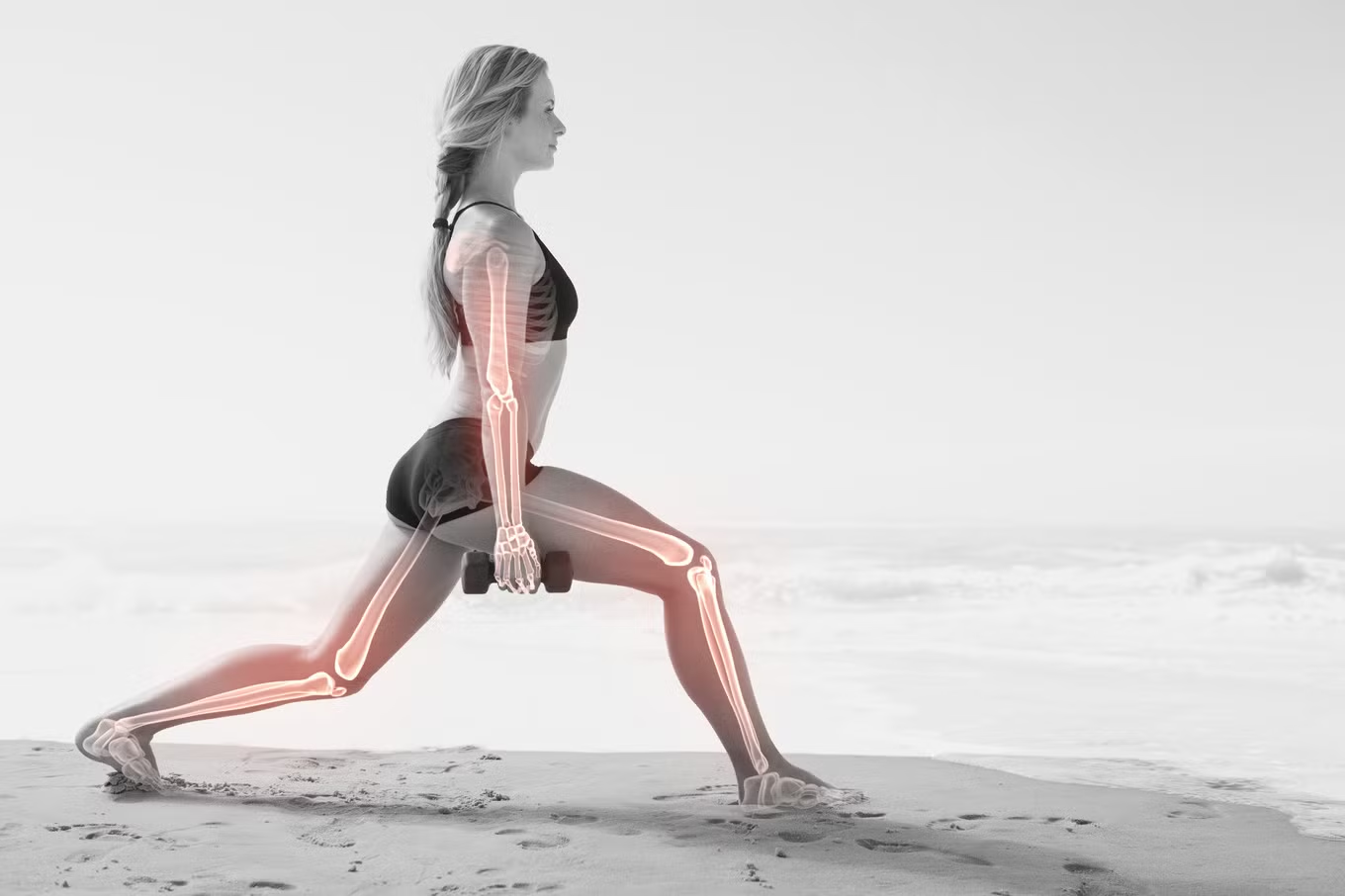
- Bodyweight exercises: Push-ups, squats, and lunges are excellent for bones and joints.
3. Jumping Exercises
High-impact exercises like jumping or skipping can increase bone density in the legs and spine. Start slowly and ensure proper form to avoid injury. Examples:
- Jump rope
- Small jumps or hops
- Step aerobics
Best Exercises for Healthy Joints
Healthy joints require exercises that improve flexibility, strength, and range of motion. Low-impact exercises are best for protecting joints while keeping them mobile.
1. Stretching
Stretching keeps muscles and tendons flexible, reducing stiffness in joints. Simple stretches can be done daily:
- Hamstring stretch
- Shoulder stretch
- Quadriceps stretch
2. Yoga
Yoga is excellent for joint health because it combines stretching, balance, and strength training. Poses like downward dog, warrior pose, and cat-cow improve flexibility and reduce stiffness.
3. Swimming
Swimming is a low-impact exercise that supports joint health while providing resistance for muscles and bones. It is especially helpful for people with arthritis or joint pain.
4. Cycling
Cycling is gentle on the knees and hips while improving leg strength and cardiovascular health. Stationary bikes are a great option for home workouts.
5. Pilates
Pilates focuses on strengthening the core and improving posture, which supports joint health and reduces the risk of injuries.
Tips for Safe Exercise
While exercising is essential, it’s important to do it safely to protect your joints and bones.
- Warm-Up: Always start with a 5-10 minute warm-up to prepare your muscles and joints.
- Start Slow: Increase intensity gradually to prevent injuries.
- Use Proper Form: Incorrect movements can strain joints and muscles.
- Stay Consistent: Regular exercise is more effective than occasional intense workouts.
- Listen to Your Body: If you feel pain (not normal soreness), stop and rest.
Nutrition for Bone and Joint Health
Exercise alone is not enough. Eating a diet rich in calcium, vitamin D, and protein is crucial for strong bones and healthy joints.
- Calcium: Found in dairy, leafy greens, and fortified foods.
- Vitamin D: Helps the body absorb calcium; sources include sunlight, fish, and fortified foods.
- Protein: Supports muscle and joint strength; found in meat, fish, eggs, beans, and nuts.
- Healthy Fats: Omega-3 fatty acids in fish, flaxseeds, and walnuts reduce joint inflammation.
Lifestyle Habits for Healthy Bones and Joints
In addition to exercise and nutrition, other habits can enhance bone and joint health:
- Avoid Smoking: Smoking weakens bones and increases the risk of fractures.
- Limit Alcohol: Excess alcohol can reduce bone density.
- Maintain a Healthy Weight: Extra weight puts pressure on joints, especially knees and hips.
- Stay Active: Even daily activities like gardening or walking help maintain joint flexibility.
Conclusion
Strong bones and healthy joints are the foundation of an active and independent life. Regular exercise, proper nutrition, and healthy lifestyle habits work together to maintain bone density, prevent injuries, and keep joints flexible. Incorporating weight-bearing exercises, strength training, and low-impact movements like swimming or yoga can significantly improve your overall musculoskeletal health. Start slow, stay consistent, and listen to your body to enjoy long-term benefits.
Frequently Asked Questions (FAQs)
1. How often should I exercise for healthy bones and joints?
Aim for at least 150 minutes of moderate-intensity exercise per week, including weight-bearing and strength training exercises. Low-impact activities can be done daily.
2. Can older adults benefit from bone and joint exercises?
Yes! Older adults can greatly benefit. Low-impact exercises, balance training, and gentle strength exercises are particularly effective for preventing falls and maintaining mobility.
3. Are high-impact exercises safe for joints?
High-impact exercises like jumping should be done carefully, especially if you have joint problems. Start slowly and use proper footwear. Low-impact alternatives like swimming or cycling are safer for sensitive joints.
4. What is the best exercise for osteoporosis?
Weight-bearing and resistance exercises are most effective. Walking, dancing, and light weight training help maintain bone density. Consult your doctor for personalized guidance.
5. Can exercise reverse joint damage?
Exercise cannot reverse severe joint damage but can improve flexibility, reduce pain, strengthen surrounding muscles, and slow further deterioration. Combining exercise with proper nutrition and medical care is the best approach.