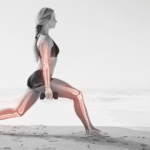



Our bones are the framework that supports our entire body. They protect vital organs, allow movement, and store essential minerals like calcium. Despite being strong, bones can be vulnerable to injuries such as fractures, sprains, and breaks. Preventing bone injuries is crucial, not just for athletes but for everyone, regardless of age. Fortunately, there are simple, effective strategies you can adopt to keep your bones healthy and reduce the risk of injury.
Understanding Bone Health
Before diving into prevention tips, it’s important to understand how bones work. Bones are living tissues that constantly rebuild themselves. This process, called remodeling, helps bones stay strong and repair minor damages naturally. However, factors like aging, poor nutrition, physical inactivity, and certain medical conditions can weaken bones, making them more prone to injuries.
Bone injuries are not limited to athletes or those involved in high-risk activities. Even everyday accidents like slipping at home or minor falls can lead to fractures if your bones are weak. This is why building strong bones and protecting them is essential at every stage of life.
1. Maintain a Balanced Diet
Nutrition plays a vital role in bone health. Calcium and vitamin D are particularly important because calcium strengthens bones, while vitamin D helps the body absorb calcium effectively. Foods rich in calcium include:
- Dairy products like milk, yogurt, and cheese
- Leafy greens like kale and spinach
- Almonds and sesame seeds
- Fortified foods like cereals and orange juice
Vitamin D can be obtained through sunlight exposure and foods such as fatty fish (salmon, mackerel), egg yolks, and fortified dairy products.
Additionally, protein is essential for bone structure, and magnesium and potassium support bone density. Avoid excessive caffeine, soda, and alcohol, as these can weaken bones over time.
2. Stay Physically Active
Regular exercise strengthens bones, improves balance, and enhances flexibility, reducing the risk of falls and injuries. Some effective exercises include:
- Weight-bearing exercises: Walking, jogging, dancing, and climbing stairs help build bone strength.
- Strength training: Lifting weights or using resistance bands stimulates bone growth.
- Balance exercises: Yoga, tai chi, and certain stretching routines improve stability and reduce fall risk.
The key is consistency. Aim for at least 150 minutes of moderate exercise per week, and include strength and balance training 2-3 times weekly.
3. Protect Yourself During Physical Activities
Many bone injuries occur during sports, exercise, or physical labor. Using proper protective gear is crucial:
- Helmets: For cycling, skateboarding, or contact sports.
- Knee and elbow pads: For skating, rollerblading, or skiing.
- Supportive footwear: Shoes with good arch support reduce the risk of ankle or foot fractures.
Additionally, learn correct techniques for lifting, jumping, or playing sports. Improper form can strain bones and joints, increasing the chance of injury.
4. Prevent Falls at Home
Falls are a common cause of bone injuries, especially in older adults. You can minimize this risk with a few adjustments:
- Keep floors clear of clutter and loose rugs.
- Use non-slip mats in bathrooms and kitchens.
- Install handrails on stairs and grab bars in bathrooms.
- Ensure adequate lighting in all rooms and hallways.
Small changes at home can significantly reduce the risk of fractures caused by accidental falls.
5. Monitor Bone Health Regularly
Regular check-ups can help detect early signs of weakened bones. Your doctor may recommend:
- Bone density tests: These tests identify conditions like osteoporosis before fractures occur.
- Routine blood tests: To check calcium, vitamin D, and other minerals important for bone health.
Early detection allows for preventive measures, including lifestyle changes or medication if necessary.
6. Maintain a Healthy Weight
Being underweight can increase the risk of bone loss and fractures, while being overweight can put extra stress on bones and joints. Aim for a healthy, balanced weight through proper nutrition and regular exercise. A healthy weight reduces the risk of injury and improves overall bone strength.
7. Avoid Smoking and Limit Alcohol
Smoking can decrease bone density and slow down healing, while excessive alcohol consumption increases the risk of falls and fractures. Quitting smoking and moderating alcohol intake are vital steps in maintaining strong bones.
8. Listen to Your Body
Pay attention to signs of bone weakness or pain. If you experience persistent joint pain, swelling, or reduced mobility, don’t ignore it. Early intervention can prevent small issues from turning into serious injuries. Consulting a doctor or physiotherapist can help you manage these concerns effectively.
9. Consider Supplements if Needed
If your diet lacks essential nutrients, supplements may be necessary. Calcium and vitamin D supplements are commonly recommended for adults, especially women after menopause and older adults. However, always consult a healthcare professional before starting any supplements to avoid overdose or interactions with other medications.
10. Educate Yourself About High-Risk Activities
Certain sports or professions carry higher risks for bone injuries. Educating yourself about these risks and taking preventive steps—like stretching before workouts, using correct techniques, and wearing proper gear—can make a huge difference.
Conclusion
Preventing bone injuries requires a combination of healthy lifestyle choices, proper nutrition, regular exercise, and safety measures. By strengthening your bones, maintaining balance, and protecting yourself during activities, you can significantly reduce the risk of fractures and other injuries. Remember, strong bones are not just about avoiding injuries—they’re about maintaining mobility, independence, and a better quality of life as you age.
Frequently Asked Questions (FAQs)
1. At what age should I start worrying about bone health?
Bone health is important at all ages. Childhood and adolescence are critical for building strong bones, while adults should focus on maintaining bone density to prevent future injuries.
2. Can exercise really prevent fractures?
Yes. Regular weight-bearing, strength, and balance exercises strengthen bones and improve coordination, reducing the risk of falls and fractures.
3. How much calcium do I need daily for healthy bones?
Adults generally need 1,000–1,200 mg of calcium daily, depending on age and gender. This can be obtained through diet or supplements if necessary.
4. Are bone injuries more common in women?
Yes, women, especially post-menopausal women, are at higher risk of osteoporosis and fractures due to hormonal changes that reduce bone density.
5. Can lifestyle changes reverse bone damage?
While lifestyle changes like diet, exercise, and quitting smoking can improve bone strength, they cannot fully reverse severe bone loss. Early prevention is always better than treatment.