
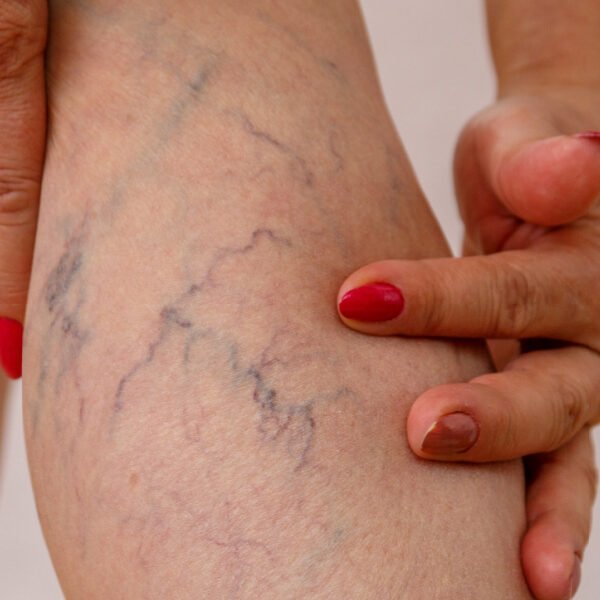

Spider veins are small, damaged blood vessels that appear near the surface of the skin. They often look like thin red, blue, or purple lines, and they commonly form on the legs and face. Their branching pattern resembles a spider web or tree limbs, which gives them their name. Spider veins are quite common, and studies suggest that a significant portion of adults develop them at some point, with rates increasing with age. While many people notice them and treat them for cosmetic reasons, understanding their causes can help you make informed decisions about your care options:
Diagnosing Venous Issues
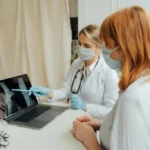
A healthcare provider usually diagnoses spider veins through a physical examination of the affected area. During the visit, the provider may ask about your symptoms, family history, and how long the veins have been present. An ultrasound may be used to examine blood flow and check for underlying vein problems that are not visible on the surface. Several factors contribute to the development of spider veins. Weakened or damaged valves inside the veins allow blood to pool, and this pooling puts pressure on the vessel walls.
Some common contributing factors include genetics, hormonal changes, prolonged standing or sitting, sun exposure, and increasing age. Pregnancy and certain occupations that require long periods on your feet may also raise the likelihood of developing them. Spider veins differ from varicose veins in that they are small and flat, sitting close to the skin’s surface without raising it. Varicose veins are larger, often appear raised or twisted, and may cause aching, swelling, or heaviness in the legs. Both conditions relate to vein function, but varicose veins tend to involve deeper vessels and can produce more noticeable symptoms. Recognizing these differences can guide the type of care you need.
Managing Spider Veins at Home
Engaging in movement, maintaining a moderate weight, elevating the legs, and limiting prolonged standing can help manage symptoms. Another at-home management method is wearing compression stockings to support healthy circulation in the legs. These measures do not remove existing veins, but they help support overall vein health.
Managing Spider Veins With a Cardiologist
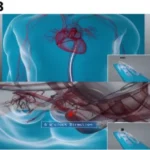
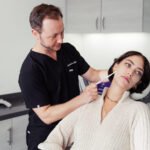
A cardiologist or vein specialist can evaluate your condition and discuss professional treatment options based on your individual situation. One common medical approach is sclerotherapy, in which a solution is injected into the affected vein to help it fade over time. Another option is laser therapy, which uses focused light to target the vein through the skin. The right approach depends on the size and location of the veins, and a specialist can help determine which method suits your needs.
During a consultation, the provider will review your medical history and examine the affected veins before recommending a plan. Professional care may also uncover related venous issues that benefit from ongoing monitoring, such as venous insufficiency. Scheduling an appointment with a qualified provider allows you to ask questions and understand what each option involves.
Effectively Manage Your Vein Concerns
Spider veins are a common condition, and understanding them is the first step toward managing them effectively. While home measures may support vein health, professional evaluation offers a clearer picture of your situation and your treatment options. A cardiologist or vein specialist can examine the affected areas, explain treatment approaches, and help you decide on a plan that fits your goals. If vein concerns are impacting you, contact a cardiologist for personalized information.