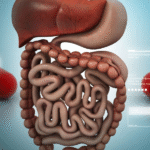



Gut health has become a hot topic in recent years, and for good reason. The gut, often called the “second brain,” plays a crucial role not just in digestion, but in immunity, mental well-being, and overall health. A healthy gut helps your body absorb nutrients efficiently, fights off harmful bacteria, and even influences your mood. Poor gut health, on the other hand, can lead to bloating, fatigue, food intolerances, and even more serious conditions like irritable bowel syndrome (IBS).
Maintaining a healthy gut doesn’t have to be complicated. Simple lifestyle choices, balanced eating, and mindful habits can go a long way. In this article, we’ll explore practical tips for maintaining gut health in a way that’s easy to follow, natural, and sustainable.
Understand Your Gut
Your gut is home to trillions of microorganisms, including bacteria, fungi, and viruses. This complex ecosystem, known as the gut microbiome, is responsible for digesting food, producing essential vitamins, and protecting against harmful pathogens. A diverse and balanced microbiome is key to gut health.
When the balance of good and bad bacteria is disrupted—a condition called dysbiosis—it can lead to digestive problems, inflammation, and even mental health issues. Therefore, understanding and nurturing your gut microbiome is the first step to maintaining gut health.
Eat a Diverse Range of Foods
One of the simplest ways to support your gut is by eating a varied diet. Different foods nourish different types of bacteria, so consuming a wide range of fruits, vegetables, whole grains, and proteins can promote microbial diversity.
- Fruits and Vegetables: Rich in fiber, antioxidants, and polyphenols, fruits and vegetables feed beneficial bacteria. Berries, apples, bananas, and leafy greens are excellent choices.
- Whole Grains: Foods like oats, quinoa, and brown rice contain fiber that beneficial bacteria ferment to produce short-chain fatty acids, which are crucial for gut health.
- Legumes and Beans: Lentils, chickpeas, and black beans are high in fiber and prebiotics, which act as food for gut-friendly bacteria.
Eating a variety of foods ensures your gut microbiome remains diverse and resilient, improving digestion and immune function.
Include Probiotics in Your Diet
Probiotics are live microorganisms that offer health benefits when consumed in adequate amounts. They help restore the balance of good bacteria in your gut and improve digestive health.
- Yogurt: Look for yogurt with live and active cultures. It’s rich in probiotics like Lactobacillus and Bifidobacterium.
- Fermented Foods: Sauerkraut, kimchi, kefir, miso, and kombucha are excellent sources of probiotics.
- Supplements: In some cases, probiotic supplements may be helpful, especially after antibiotics or if you have digestive issues. Consult your doctor before starting them.
Regular consumption of probiotics can enhance digestion, reduce bloating, and strengthen immunity.
Don’t Forget Prebiotics
Prebiotics are non-digestible fibers that act as food for beneficial bacteria. While probiotics add healthy bacteria to your gut, prebiotics help those bacteria thrive.
- Good Sources of Prebiotics: Garlic, onions, leeks, asparagus, bananas, and whole grains.
- Benefits: Prebiotics support the growth of beneficial bacteria, improve bowel regularity, and may even enhance mood and cognitive function.
Combining prebiotics with probiotics (sometimes called synbiotics) can maximize gut health benefits.
Stay Hydrated
Water plays a vital role in digestion and gut health. Proper hydration helps your body break down food, absorb nutrients, and move waste efficiently through your digestive tract.
- Drink plenty of water throughout the day.
- Herbal teas like ginger or peppermint can soothe the digestive system.
- Limit sugary drinks and sodas, which can negatively affect gut bacteria.
Even mild dehydration can slow digestion and contribute to constipation, so staying hydrated is essential for a healthy gut.
Limit Processed Foods and Added Sugars
Highly processed foods, artificial sweeteners, and excessive sugar can disrupt the balance of your gut microbiome. They may promote the growth of harmful bacteria and reduce microbial diversity.
- Reduce consumption of packaged snacks, sugary drinks, and fried foods.
- Opt for whole, natural foods instead.
- Read labels carefully to avoid hidden sugars and additives.
A gut-friendly diet focuses on natural, nutrient-rich foods rather than processed convenience items.
Manage Stress
Stress doesn’t just affect your mind—it affects your gut too. Chronic stress can alter the gut microbiome, impair digestion, and increase inflammation.
- Practice Mindfulness: Meditation, deep breathing exercises, and yoga can reduce stress levels.
- Exercise Regularly: Physical activity supports a healthy gut by promoting regular bowel movements and reducing stress hormones.
- Sleep Well: Poor sleep disrupts gut bacteria balance and can worsen digestive problems.
A calm mind supports a calm and healthy gut.
Avoid Unnecessary Antibiotics
Antibiotics are sometimes essential, but they can also disrupt your gut microbiome by killing beneficial bacteria.
- Only take antibiotics when prescribed by a healthcare professional.
- Pair antibiotic treatment with probiotic-rich foods to help restore gut balance.
- Focus on preventive health measures, like hygiene and diet, to reduce the need for antibiotics.
Being mindful of antibiotic use can protect your gut microbiome and long-term digestive health.
Listen to Your Body
Pay attention to how your gut reacts to different foods and habits. Signs like bloating, irregular bowel movements, fatigue, or food intolerances may indicate that your gut needs care.
- Keep a food diary to track what makes you feel good or uncomfortable.
- Make gradual changes rather than drastic diet shifts.
- Seek guidance from a healthcare professional if problems persist.
Your gut often communicates through subtle signs—learning to listen can prevent more serious issues.
Make Lifestyle Choices That Support Gut Health
Beyond diet, certain lifestyle choices have a big impact on gut health:
- Exercise Regularly: Improves bowel movement and microbiome diversity.
- Get Adequate Sleep: Supports microbial balance and reduces inflammation.
- Avoid Smoking and Excessive Alcohol: Both can harm gut bacteria and digestive function.
A balanced lifestyle, combined with mindful eating, creates an environment where your gut can thrive.
Frequently Asked Questions (FAQs)
1. What are the signs of poor gut health?
Common signs include bloating, gas, diarrhea, constipation, food intolerances, fatigue, skin issues, and frequent infections. Persistent symptoms should be checked by a doctor.
2. Can probiotics really improve gut health?
Yes, probiotics introduce beneficial bacteria that help restore balance in the gut microbiome, improve digestion, and support immunity.
3. How long does it take to improve gut health?
It varies by individual, but noticeable improvements can occur within a few weeks with consistent healthy eating, hydration, stress management, and lifestyle adjustments.
4. Are antibiotics harmful to the gut?
Antibiotics can disrupt the balance of gut bacteria by killing both harmful and beneficial bacteria. Use them only when prescribed and consider probiotic foods to restore gut health afterward.
5. Can stress affect digestion?
Absolutely. Chronic stress can alter gut bacteria, slow digestion, and increase inflammation, leading to issues like bloating, cramps, and irregular bowel movements.
Final Thoughts
Maintaining gut health is a lifelong commitment, but it doesn’t have to be complicated. By eating a diverse diet rich in fiber, probiotics, and prebiotics, staying hydrated, managing stress, and making mindful lifestyle choices, you can nurture your gut and improve your overall health. Your gut not only digests food—it supports immunity, mental health, and even energy levels. Treat it well, and your body will thank you.
Small, consistent changes often bring the biggest results. Start today by incorporating one or two gut-friendly habits, and gradually build a routine that supports a healthy, happy digestive system.