

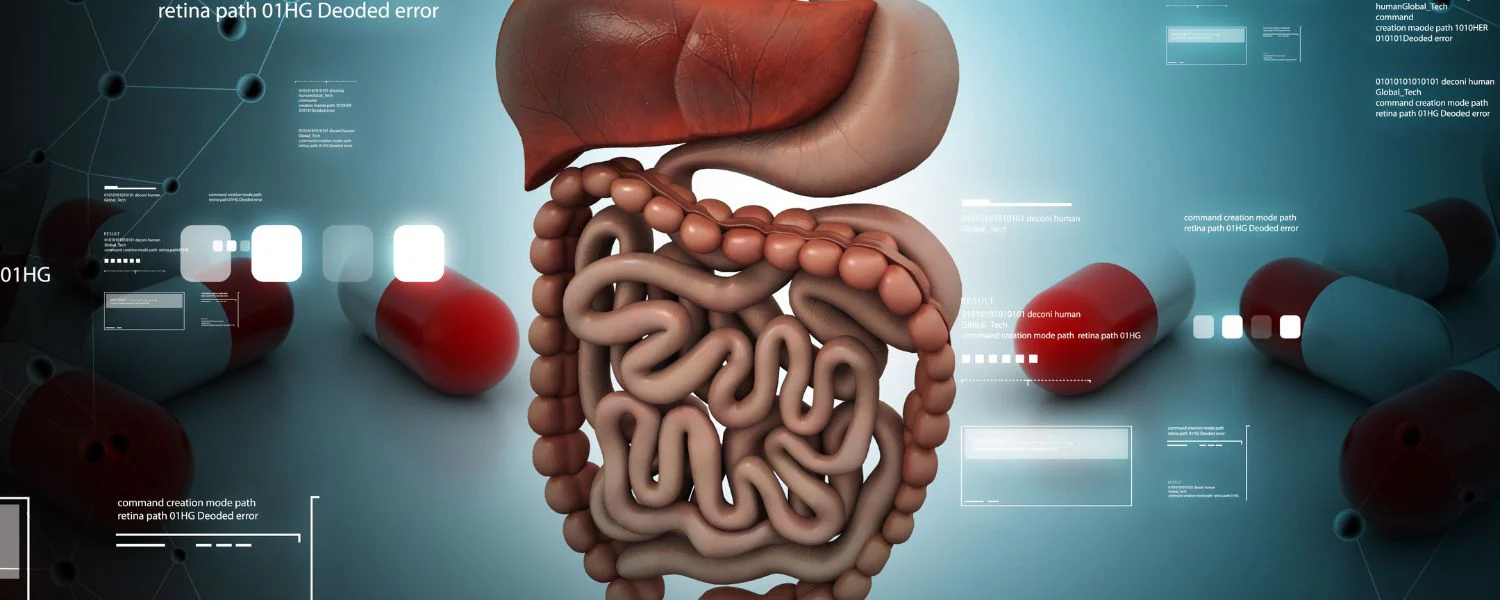

Digestive health is something many of us take for granted until problems arise. Our digestive system plays a vital role in breaking down food, absorbing nutrients, and eliminating waste. When something goes wrong in this complex system, it can impact our overall health, energy, and quality of life. Understanding common digestive health problems, their causes, and ways to prevent them is essential for maintaining a healthy lifestyle.
What Is Digestive Health?
Digestive health refers to the proper functioning of the digestive tract, which includes the stomach, intestines, liver, pancreas, and other organs involved in breaking down food. A healthy digestive system efficiently absorbs nutrients and eliminates waste. When this process is disrupted, it can lead to discomfort, nutritional deficiencies, and serious health issues.
Several factors influence digestive health, including diet, hydration, physical activity, stress levels, and genetics. Maintaining a balanced lifestyle and understanding your body’s signals can help prevent common digestive problems.
Common Digestive Health Problems
1. Acid Reflux (GERD)
Acid reflux, also known as Gastroesophageal Reflux Disease (GERD), occurs when stomach acid flows back into the esophagus, causing heartburn and discomfort. Common triggers include spicy foods, fatty meals, caffeine, and overeating.
Symptoms:
- Burning sensation in the chest (heartburn)
- Regurgitation of food or sour liquid
- Difficulty swallowing
- Chronic cough or hoarseness
Prevention Tips:
- Eat smaller meals
- Avoid lying down immediately after eating
- Limit trigger foods
- Maintain a healthy weight
2. Irritable Bowel Syndrome (IBS)
IBS is a chronic condition affecting the large intestine. It causes abdominal pain, bloating, diarrhea, and constipation. The exact cause of IBS is unknown, but stress, diet, and gut bacteria imbalance play a role.
Symptoms:
- Cramping and abdominal pain
- Bloating and gas
- Alternating constipation and diarrhea
- Changes in stool appearance
Prevention Tips:
- Eat a fiber-rich diet
- Drink plenty of water
- Manage stress through yoga, meditation, or exercise
- Keep a food diary to identify triggers
3. Constipation
Constipation is a common digestive issue where bowel movements become infrequent or difficult. It can be caused by a low-fiber diet, dehydration, lack of exercise, or certain medications.
Symptoms:
- Hard or lumpy stools
- Straining during bowel movements
- Feeling of incomplete evacuation
Prevention Tips:
- Increase fiber intake (fruits, vegetables, whole grains)
- Drink at least 8 glasses of water per day
- Exercise regularly
- Avoid delaying bathroom visits
4. Diarrhea
Diarrhea is the frequent passing of loose or watery stools. It can be caused by infections, food intolerances, medications, or digestive disorders. While occasional diarrhea is usually harmless, chronic diarrhea can lead to dehydration and nutrient deficiencies.
Symptoms:
- Frequent loose stools
- Abdominal cramps
- Urgency to pass stool
- Nausea or vomiting
Prevention Tips:
- Wash hands thoroughly to prevent infections
- Avoid contaminated food and water
- Eat probiotic-rich foods like yogurt
- Stay hydrated
5. Gallstones
Gallstones are hardened deposits of bile that form in the gallbladder. They can block bile flow, causing pain and digestive issues. Risk factors include obesity, high-fat diets, and genetics.
Symptoms:
- Sudden, intense pain in the upper right abdomen
- Nausea and vomiting
- Indigestion after fatty meals
- Back or shoulder pain
Prevention Tips:
- Maintain a healthy weight
- Limit fatty and processed foods
- Eat a balanced diet with plenty of fruits and vegetables
6. Lactose Intolerance
Lactose intolerance occurs when the body lacks lactase, an enzyme needed to digest lactose (milk sugar). This condition leads to digestive discomfort after consuming dairy products.
Symptoms:
- Bloating
- Gas
- Diarrhea
- Stomach cramps
Prevention Tips:
- Limit or avoid dairy products
- Use lactose-free alternatives
- Take lactase enzyme supplements if necessary
7. Celiac Disease
Celiac disease is an autoimmune disorder where the body reacts to gluten, a protein found in wheat, barley, and rye. Eating gluten triggers an immune response that damages the small intestine.
Symptoms:
- Diarrhea or constipation
- Fatigue and weakness
- Weight loss or poor growth in children
- Anemia
Prevention Tips:
- Avoid all gluten-containing foods
- Read food labels carefully
- Consult a nutritionist for a balanced gluten-free diet
8. Peptic Ulcers
Peptic ulcers are open sores that develop on the lining of the stomach, small intestine, or esophagus. They are often caused by H. pylori bacteria or long-term use of pain relievers like ibuprofen.
Symptoms:
- Burning stomach pain
- Bloating and heartburn
- Nausea or vomiting
- Dark or bloody stools
Prevention Tips:
- Avoid excessive use of NSAIDs
- Limit alcohol and spicy foods
- Practice good hygiene to reduce H. pylori infection
- Eat a balanced diet
9. Diverticulitis
Diverticulitis occurs when small pouches (diverticula) in the colon become inflamed or infected. It is more common in older adults and is often linked to low-fiber diets.
Symptoms:
- Abdominal pain, usually on the lower left side
- Fever and nausea
- Constipation or diarrhea
Prevention Tips:
- Eat a high-fiber diet
- Drink plenty of water
- Exercise regularly
- Avoid smoking
10. Hemorrhoids
Hemorrhoids are swollen veins in the rectum or anus, often caused by straining during bowel movements, constipation, or pregnancy.
Symptoms:
- Pain or itching in the anal area
- Bleeding during bowel movements
- Swelling or lumps near the anus
Prevention Tips:
- Avoid straining during bowel movements
- Eat a fiber-rich diet
- Stay active and hydrated
General Tips for Maintaining Digestive Health
- Eat a Balanced Diet: Focus on whole grains, fruits, vegetables, lean proteins, and healthy fats. Avoid excessive processed foods and sugar.
- Stay Hydrated: Drink plenty of water to help digestion and prevent constipation.
- Exercise Regularly: Physical activity improves bowel function and reduces stress.
- Manage Stress: Stress can exacerbate digestive issues, so incorporate relaxation techniques like meditation, deep breathing, or yoga.
- Avoid Smoking and Excess Alcohol: Both can irritate the digestive tract and increase the risk of ulcers and other conditions.
- Listen to Your Body: Pay attention to changes in bowel habits, pain, or bloating, and seek medical advice if symptoms persist.
FAQs About Digestive Health
1. How do I know if I have a digestive problem?
Common signs include persistent bloating, abdominal pain, irregular bowel movements, nausea, or unexplained weight loss. Consulting a doctor is important for proper diagnosis.
2. Can stress affect digestion?
Yes, stress can impact the gut by causing changes in bowel habits, increasing stomach acid, and worsening conditions like IBS or acid reflux.
3. Are probiotics helpful for digestive health?
Probiotics, found in yogurt, kefir, and supplements, can help maintain a healthy balance of gut bacteria and improve digestion for some people.
4. How can I prevent constipation naturally?
Eat a fiber-rich diet, drink plenty of water, exercise regularly, and avoid delaying bowel movements.
5. When should I see a doctor for digestive issues?
If you experience severe pain, persistent vomiting, blood in stool, unexplained weight loss, or changes in bowel habits lasting more than a few weeks, seek medical advice promptly.
Conclusion
Digestive health problems are common but often manageable with lifestyle changes, proper diet, and medical care when needed. By understanding the causes, symptoms, and preventive measures for issues like acid reflux, IBS, constipation, and more, you can take proactive steps toward a healthier digestive system. Remember, maintaining digestive health is not just about avoiding discomfort—it’s about supporting your body’s ability to absorb nutrients, eliminate waste efficiently, and enjoy overall well-being.