

Our feet are incredible. They carry us through every step of life, yet we often take them for granted. From standing long hours to walking on uneven surfaces, our feet endure a lot. Proper foot care is essential for overall health, mobility, and comfort. In this article, we will discuss practical, easy-to-follow foot care tips for adults, helping you keep your feet healthy, strong, and pain-free.
Why Foot Care Matters
Many adults underestimate the importance of foot care. Neglecting your feet can lead to problems like calluses, corns, fungal infections, bunions, and even chronic pain. Healthy feet improve mobility, balance, and posture, reducing the risk of falls and other injuries. Regular foot care also allows you to spot early signs of more serious conditions, such as diabetes or circulatory issues.
Daily Foot Hygiene
The foundation of good foot care starts with hygiene. Clean feet are less prone to infection and odor.
- Wash your feet daily: Use warm water and mild soap. Avoid hot water as it can dry the skin.
- Dry thoroughly: Make sure to dry between your toes to prevent fungal infections like athlete’s foot.
- Moisturize: Apply a foot cream or lotion to keep the skin soft. Avoid applying between toes to reduce the risk of moisture-related infections.
Proper Footwear
The shoes you wear play a huge role in foot health. Ill-fitting shoes can cause blisters, bunions, and long-term deformities.
- Choose shoes that fit well: There should be enough space for your toes to move freely. Avoid shoes that are too tight or narrow.
- Support matters: Look for shoes with good arch support and cushioning.
- Rotate your shoes: Avoid wearing the same pair every day to allow them to air out and maintain shape.
- Limit high heels: High heels put extra pressure on the balls of your feet and can lead to long-term damage.
Nail Care
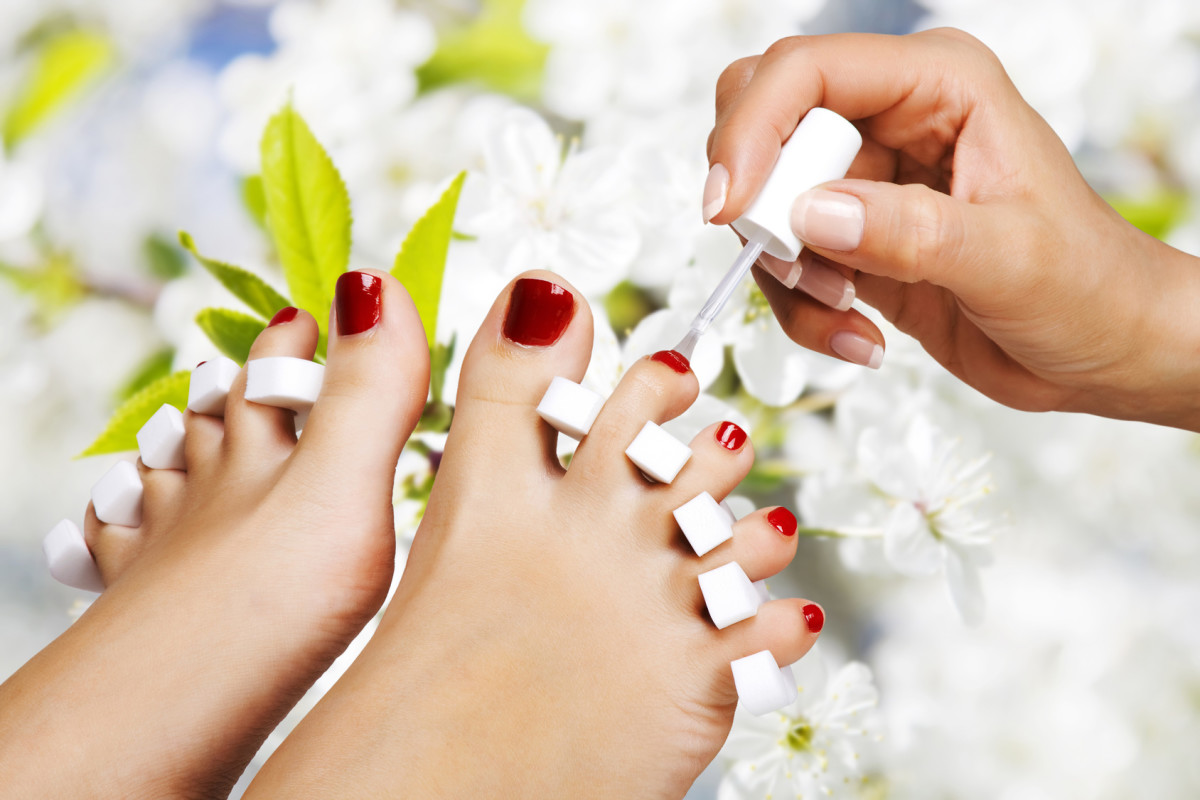
Foot nails require attention to prevent infections and painful conditions like ingrown toenails.
- Trim nails properly: Cut straight across rather than rounding the corners to prevent ingrown nails.
- Keep nails clean: Remove dirt and debris under the nails.
- Avoid cutting too short: This can expose the skin to infection.
- Moisturize nails and cuticles: This keeps them flexible and healthy.
Foot Exercises
Just like the rest of your body, your feet need exercise to stay strong and flexible.
- Toe stretches: Spread your toes apart and hold for a few seconds. Repeat several times daily.
- Heel raises: Stand on your toes and slowly lower your heels. This strengthens the calves and arches.
- Rolling exercises: Use a tennis ball or massage roller under your foot to relieve tension and improve blood flow.
- Foot flexes: Flex and point your toes to enhance circulation and flexibility.
Managing Common Foot Problems
Even with good care, you may encounter common foot issues. Here’s how to manage them:
- Corns and calluses: Gently file thickened skin with a pumice stone after soaking your feet. Avoid cutting them with sharp objects.
- Blisters: Keep them clean and covered. Avoid popping them as it increases the risk of infection.
- Fungal infections: Use antifungal creams or powders for athlete’s foot or nail fungus.
- Foot odor: Wash daily, change socks regularly, and use breathable shoes.
Seasonal Foot Care Tips
Feet need special care depending on the season.
- Summer: Protect your feet from sunburn, fungal infections, and sweaty conditions by wearing breathable shoes and applying sunscreen on exposed areas.
- Winter: Moisturize more frequently to prevent dryness and cracking. Avoid walking barefoot on cold surfaces to protect from frostbite.
When to See a Doctor
Some foot problems require medical attention. Consult a podiatrist if you notice:
- Persistent pain or swelling
- Non-healing wounds or ulcers
- Redness, warmth, or pus (possible infection)
- Ingrown toenails that keep recurring
- Signs of nerve damage or poor circulation
Lifestyle Habits for Healthy Feet
Maintaining overall health can improve foot health as well.
- Maintain a healthy weight: Extra weight adds pressure on your feet.
- Stay active: Regular walking or exercises improve circulation.
- Avoid smoking: Smoking reduces blood flow to your extremities.
- Stay hydrated: Proper hydration keeps skin soft and less prone to cracks.
At-Home Foot Care Routine
A simple routine can make a huge difference:
- Wash your feet thoroughly.
- Dry completely, especially between toes.
- Apply moisturizer to heels and soles.
- Inspect for cuts, redness, or swelling.
- Stretch and massage feet for circulation.
- Wear clean, well-fitted socks.
Consistency is key. Even just a few minutes of care each day can prevent bigger problems down the road.
Frequently Asked Questions (FAQs)
1. How often should I wash my feet?
Daily washing is ideal. Make sure to clean between toes and dry completely to prevent fungal infections.
2. Can walking barefoot at home be harmful?
Occasionally, walking barefoot is fine, but prolonged barefoot walking, especially on hard or dirty surfaces, can increase the risk of injury and infections.
3. What is the best way to prevent foot odor?
Regular washing, changing socks daily, using breathable shoes, and occasionally using foot powders or sprays can help reduce odor.
4. Are foot massages really beneficial?
Yes, foot massages improve circulation, relieve tension, and can even reduce stress. Using a tennis ball or a massage roller is an easy at-home method.
5. How can I prevent ingrown toenails?
Trim nails straight across, avoid cutting too short, wear properly fitted shoes, and keep feet clean and dry.
Final Thoughts
Taking care of your feet doesn’t have to be complicated. With a few simple habits—cleaning, moisturizing, wearing the right shoes, exercising, and paying attention to early signs of problems—you can maintain healthy, strong, and happy feet for life. Remember, your feet carry you every day, so giving them the care they deserve is a small investment with big rewards.