
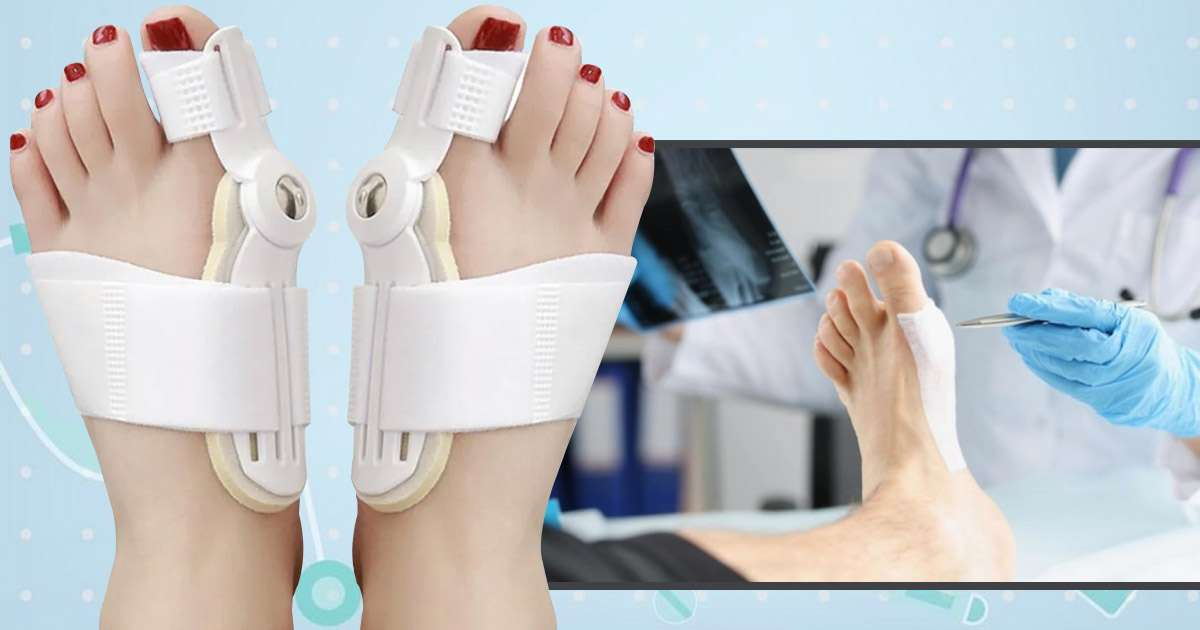

Bunions are more than just a cosmetic issue—they can cause significant discomfort and even affect your daily life. A bunion, medically known as hallux valgus, is a bony bump that forms at the base of the big toe. This happens when the big toe pushes against the other toes, causing the joint at its base to stick out. Over time, the bump may become swollen, red, and painful. Bunions are common, especially in women, and can be caused by genetics, footwear choices, or certain medical conditions.
If you’re struggling with bunions, it’s comforting to know that several treatment options exist, ranging from simple lifestyle changes to medical interventions. This article explores these options in detail and offers practical advice for managing bunions effectively.
Understanding Bunions
Before exploring treatment options, it’s important to understand why bunions form. The structure of your foot—bones, ligaments, and muscles—plays a key role in foot health. If your foot structure is prone to imbalance, bunions are more likely to develop. Factors that contribute to bunions include:
- Genetics: A family history of bunions increases your risk.
- Footwear: Shoes that are tight, narrow, or high-heeled can push the toes into an unnatural position.
- Medical conditions: Arthritis or other inflammatory conditions can contribute to bunion formation.
- Foot injuries: Trauma or repeated stress on the foot may trigger bunions over time.
Symptoms of bunions vary from mild discomfort to severe pain, including swelling, redness, and difficulty walking. Early intervention can prevent the condition from worsening.
Non-Surgical Treatment Options
For many people, bunion treatment begins with conservative methods. These approaches aim to reduce pain, slow progression, and improve foot function without surgery.
1. Footwear Adjustments
One of the simplest and most effective ways to manage bunions is to change your footwear. Look for shoes with:
- A wide toe box to reduce pressure on the big toe.
- Soft, flexible materials to prevent irritation.
- Low heels to avoid pushing the foot forward and crowding the toes.
Avoid narrow, pointed shoes, especially high heels, as they can make the bunion worse over time.
2. Padding and Orthotics
Bunion pads can cushion the area around the bunion, preventing friction and reducing pain. These are often available at drugstores and can be used with most shoes.
Orthotic devices, such as custom-made shoe inserts, help correct abnormal foot mechanics that contribute to bunion development. They can reduce pressure on the affected joint and improve balance when walking.
3. Medications
For pain and inflammation, over-the-counter medications like acetaminophen or nonsteroidal anti-inflammatory drugs (NSAIDs) such as ibuprofen may be used. Always follow the recommended dosage and consult a doctor if you have underlying health conditions.
4. Ice Therapy
Applying ice to the bunion for 10–15 minutes several times a day can help reduce swelling and discomfort. It’s especially useful after wearing tight shoes or walking for long periods.
5. Physical Therapy
Exercises designed to strengthen foot muscles and improve flexibility can relieve bunion pain. Examples include:
- Toe stretches to maintain mobility.
- Towel scrunches to strengthen the muscles of the foot.
- Resistance exercises using elastic bands to improve alignment.
Regular foot exercises can slow the progression of bunions and reduce discomfort over time.
Surgical Treatment Options
When conservative methods fail to relieve symptoms or the bunion becomes severe, surgery may be necessary. Bunion surgery, also known as bunionectomy, involves realigning the bones, ligaments, tendons, and nerves around the big toe. There are different surgical techniques depending on the severity of the bunion.
1. Osteotomy
This procedure involves cutting and realigning the bone in the big toe. It is often used for moderate bunions and helps restore proper alignment.
2. Exostectomy
In an exostectomy, the surgeon removes the bony bump from the toe joint. This procedure is usually combined with other techniques, such as soft tissue realignment, to prevent the bunion from returning.
3. Arthrodesis
Arthrodesis is a more advanced procedure that involves fusing the joint of the big toe. It’s typically reserved for severe bunions or cases involving arthritis. This surgery stabilizes the toe and reduces pain.
4. Minimally Invasive Surgery
Modern techniques allow for smaller incisions and less tissue damage, leading to faster recovery and less scarring. Minimally invasive surgery is suitable for mild to moderate bunions, depending on the surgeon’s recommendation.
Lifestyle Changes to Support Treatment
Regardless of whether you choose conservative methods or surgery, lifestyle changes play a crucial role in bunion management:
- Maintain a healthy weight: Excess weight puts additional pressure on your feet.
- Avoid prolonged standing: Give your feet regular breaks to prevent strain.
- Stretch regularly: Keep foot muscles flexible and reduce tension.
- Choose appropriate shoes: Rotate shoes and avoid wearing high heels every day.
Consistent care can improve your comfort and prevent bunions from worsening.
When to See a Doctor
It’s important to consult a healthcare professional if you experience:
- Persistent pain that interferes with daily activities.
- Significant swelling or redness around the joint.
- Difficulty walking or wearing shoes comfortably.
- Changes in toe shape or alignment over time.
A podiatrist or orthopedic surgeon can provide a proper diagnosis and recommend the most effective treatment plan. Early intervention often leads to better outcomes.
5 Frequently Asked Questions (FAQs)
1. Can bunions go away on their own?
No, bunions do not usually go away without treatment. They tend to worsen over time, so early management is important.
2. Is surgery the only solution for bunions?
Not always. Many people find relief with non-surgical methods such as shoe changes, padding, and orthotics. Surgery is typically reserved for severe or persistent cases.
3. How long is the recovery after bunion surgery?
Recovery time varies depending on the type of surgery but generally ranges from 6 weeks to 3 months. Minimally invasive procedures often allow for faster recovery.
4. Can wearing wide shoes prevent bunions?
Wearing wide, comfortable shoes can help reduce pressure on the toes and slow bunion progression, but it may not completely prevent them if you have a genetic predisposition.
5. Are bunions only a problem for older adults?
No, bunions can affect people of all ages, although they are more common in adults and women. Children and teenagers can develop bunions, especially if there is a family history.
Conclusion
Bunions can be painful and disruptive, but effective treatment options exist. Starting with conservative methods like proper footwear, padding, and exercises can significantly reduce discomfort. If these measures fail, surgical options can restore alignment and improve quality of life. Along with medical care, lifestyle adjustments like maintaining a healthy weight and avoiding tight shoes play a key role in managing bunions.
With the right approach, it is possible to reduce pain, slow bunion progression, and continue enjoying everyday activities comfortably.