

High blood pressure, also known as hypertension, is a common health problem that affects millions of people worldwide. Often called the “silent killer,” high blood pressure usually has no obvious symptoms, but it can lead to serious health complications such as heart disease, stroke, kidney problems, and vision issues if left unmanaged. The good news is that with proper management and lifestyle adjustments, high blood pressure can be controlled effectively. In this article, we will explore practical ways to manage high blood pressure and improve overall health.
Understanding High Blood Pressure
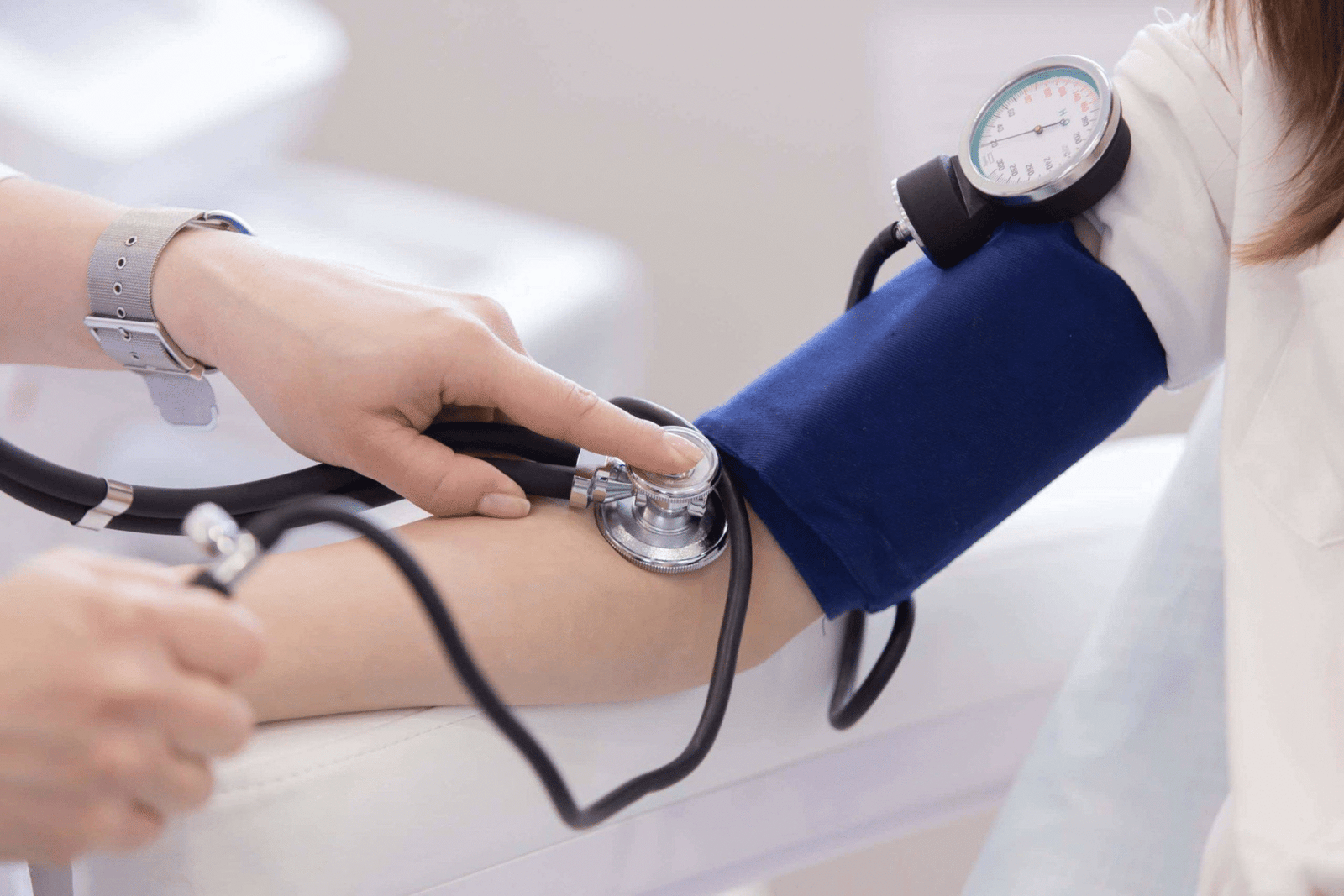
Blood pressure measures the force of blood pushing against the walls of your arteries as your heart pumps. It is recorded as two numbers: systolic pressure (top number) and diastolic pressure (bottom number). For example, a reading of 120/80 mmHg is considered normal.
- Normal: Less than 120/80 mmHg
- Elevated: 120-129/<80 mmHg
- High Blood Pressure (Stage 1): 130-139/80-89 mmHg
- High Blood Pressure (Stage 2): 140/90 mmHg or higher
High blood pressure can develop gradually and silently. Risk factors include age, family history, poor diet, lack of physical activity, obesity, smoking, alcohol use, and chronic stress.
Lifestyle Changes to Manage High Blood Pressure
Managing high blood pressure starts with making healthy lifestyle choices. Small, consistent changes can have a significant impact on your blood pressure.
1. Eat a Heart-Healthy Diet
Diet plays a crucial role in blood pressure management. A balanced diet helps maintain healthy arteries and reduces strain on your heart. Focus on:
- Fruits and vegetables: They are rich in potassium, fiber, and antioxidants.
- Whole grains: Brown rice, oats, quinoa, and whole wheat provide essential nutrients.
- Lean proteins: Chicken, fish, legumes, and tofu are healthier than red and processed meats.
- Low-fat dairy: Milk, yogurt, and cheese can improve heart health.
- Limit sodium: High salt intake increases blood pressure. Try to consume less than 2,300 mg per day, ideally 1,500 mg.
- Avoid processed foods: Packaged snacks, fast foods, and sugary drinks often contain hidden salt and unhealthy fats.
A popular approach is the DASH diet (Dietary Approaches to Stop Hypertension), which emphasizes fruits, vegetables, whole grains, and lean protein while limiting salt, sugar, and saturated fats.
2. Maintain a Healthy Weight
Excess body weight increases the workload on your heart and raises blood pressure. Even losing a small amount of weight—5 to 10 pounds—can lower blood pressure significantly. Maintaining a healthy weight involves combining a balanced diet with regular exercise.
3. Exercise Regularly
Physical activity strengthens the heart, improves circulation, and helps lower blood pressure. Aim for:
- At least 150 minutes of moderate-intensity exercise per week (like brisk walking, swimming, or cycling)
- Strength training twice a week to improve overall fitness
- Simple daily activities, like taking stairs instead of elevators or walking short distances, can also help
Consistency is more important than intensity. Even light exercise performed regularly can make a difference.
4. Limit Alcohol and Avoid Smoking
- Alcohol: Excessive drinking can raise blood pressure. Limit intake to no more than one drink per day for women and two drinks per day for men.
- Smoking: Nicotine damages blood vessels and spikes blood pressure. Quitting smoking improves heart health almost immediately.
5. Manage Stress
Chronic stress can contribute to high blood pressure. Managing stress involves both mental and physical approaches:
- Relaxation techniques: Deep breathing, meditation, yoga, and tai chi
- Adequate sleep: Aim for 7–9 hours per night
- Hobbies and social support: Engage in activities you enjoy and spend time with loved ones
- Mindfulness practices: Being aware of the present moment can reduce anxiety and stress levels
6. Monitor Your Blood Pressure
Regular monitoring helps you track progress and understand how lifestyle changes affect your blood pressure. You can:
- Use a home blood pressure monitor
- Keep a log of readings for your doctor
- Take readings at the same time each day, ideally in the morning
7. Medication, if Needed
Sometimes lifestyle changes are not enough, and your doctor may prescribe medication to control your blood pressure. Common types include:
- Diuretics: Help remove excess sodium and water
- ACE inhibitors: Relax blood vessels
- Calcium channel blockers: Reduce heart workload
- Beta-blockers: Lower heart rate and blood pressure
It’s important to take medications as prescribed and report any side effects to your doctor.
Other Helpful Tips
- Reduce caffeine: Some people are sensitive to caffeine, which can temporarily raise blood pressure.
- Limit sugar intake: High sugar consumption may contribute to hypertension.
- Stay hydrated: Drinking water supports overall heart health.
- Regular check-ups: Visit your doctor for routine blood pressure evaluations.
Signs You Should See a Doctor
High blood pressure usually has no symptoms, but sometimes warning signs appear:
- Severe headache
- Dizziness or lightheadedness
- Chest pain or palpitations
- Shortness of breath
- Vision problems
If you experience these symptoms, seek medical attention immediately.
Conclusion
High blood pressure management is a lifelong commitment. By adopting a heart-healthy diet, maintaining a healthy weight, exercising regularly, limiting alcohol, avoiding smoking, managing stress, and following your doctor’s advice, you can successfully control your blood pressure and reduce the risk of serious health complications. The key is consistency and making gradual, sustainable lifestyle changes.
FAQs About High Blood Pressure Management
1. Can high blood pressure be cured completely?
High blood pressure cannot always be cured, but it can be effectively managed with lifestyle changes and medication. Many people achieve normal blood pressure with consistent effort.
2. How often should I check my blood pressure?
If you have hypertension, check it at least once daily or as advised by your doctor. Those with normal blood pressure can check it a few times a month.
3. Does stress cause high blood pressure permanently?
Stress can temporarily raise blood pressure. Chronic stress may contribute to hypertension, but stress management techniques can help prevent long-term effects.
4. Is exercise enough to lower blood pressure without medication?
For some people with mild hypertension, regular exercise and a healthy lifestyle may be sufficient. However, moderate to severe cases often require medication along with lifestyle changes.
5. Are natural remedies effective for high blood pressure?
Some natural remedies, like garlic, hibiscus tea, and omega-3 fatty acids, may help support heart health, but they should never replace prescribed medication or medical advice.