


Pregnancy is one of the most beautiful yet challenging journeys in a woman’s life. It is a time filled with excitement, anticipation, and also responsibility. Taking good care of yourself during pregnancy is essential not only for your health but also for the healthy development of your baby. This guide provides mothers-to-be with practical tips, advice, and knowledge to make their pregnancy journey safe and comfortable.
Understanding Pregnancy
Pregnancy typically lasts about 40 weeks and is divided into three trimesters. Each trimester brings unique changes, both physically and emotionally. Understanding these changes helps you prepare and respond to them better.
- First Trimester (Weeks 1–12): This is when your body adjusts to pregnancy. Many women experience nausea, fatigue, and mood swings. Proper nutrition and prenatal vitamins are essential.
- Second Trimester (Weeks 13–26): Often called the “honeymoon period,” symptoms like nausea may reduce, and you might feel more energetic. You may also start to feel the baby move.
- Third Trimester (Weeks 27–40): The baby grows rapidly, and your body prepares for labor. Back pain, swelling, and fatigue are common. Regular check-ups and rest are important during this stage.
Nutrition During Pregnancy
Eating a balanced diet is crucial for your health and your baby’s development. A pregnant mother needs more nutrients than usual, including:
- Folic Acid: Helps prevent birth defects of the brain and spine. Found in leafy greens, beans, and fortified cereals.
- Iron: Supports increased blood volume and prevents anemia. Sources include lean meat, spinach, and legumes.
- Calcium: Helps in building strong bones for both mother and baby. Dairy products, almonds, and leafy greens are good sources.
- Protein: Essential for the baby’s growth. Include eggs, chicken, fish, tofu, and nuts.
- Hydration: Drink at least 8–10 glasses of water daily to prevent dehydration and support proper blood circulation.
Avoid processed foods, excessive sugar, and caffeine. Alcohol and smoking should be strictly avoided as they can harm your baby.
Exercise and Physical Health
Mild to moderate exercise during pregnancy can improve mood, energy levels, and overall health. Safe exercises include:
- Walking
- Swimming
- Prenatal yoga
- Stretching exercises
Avoid heavy lifting or high-impact sports. Always consult your doctor before starting any exercise routine. Regular movement also helps reduce swelling, back pain, and constipation.
Emotional Wellbeing
Pregnancy can bring mood swings due to hormonal changes. Emotional care is just as important as physical care. Here are a few tips:
- Talk about your feelings with your partner, family, or friends.
- Practice relaxation techniques such as meditation and deep breathing.
- Join prenatal support groups to connect with other mothers-to-be.
- Get adequate rest and avoid stress whenever possible.
Prenatal Check-ups
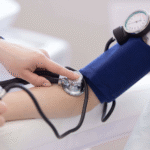
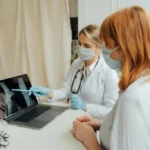
Regular visits to your doctor or midwife are vital to monitor your baby’s growth and your health. Typical prenatal check-ups include:
- Monitoring blood pressure and weight
- Blood and urine tests
- Ultrasound scans to check the baby’s development
- Screening for gestational diabetes or other conditions
These visits ensure early detection of any complications, keeping both mother and baby safe.
Avoiding Common Pregnancy Problems
Pregnancy may come with minor discomforts and risks. Here’s how to manage common issues:
- Morning Sickness: Eat small, frequent meals, and avoid strong-smelling foods. Ginger tea or crackers before getting out of bed may help.
- Back Pain: Maintain good posture, use pillows for support, and practice gentle stretching.
- Swelling: Elevate your legs, wear comfortable shoes, and avoid standing for long periods.
- Constipation: Eat high-fiber foods, drink plenty of water, and stay active.
- Fatigue: Listen to your body and rest when needed. Short naps can help refresh energy.
Preparing for Labor and Delivery
As your due date approaches, it’s important to prepare mentally and physically for labor. Consider the following:
- Attend prenatal classes to understand the delivery process.
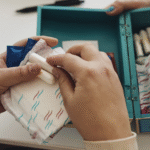
- Pack a hospital bag in advance with essentials like clothes, toiletries, and baby items.
- Learn breathing techniques and pain management strategies.
- Discuss your birth plan with your doctor, including preferences for delivery and pain relief.
Postpartum Care
Pregnancy care doesn’t end with childbirth. Postpartum care is essential for recovery and adjusting to motherhood:
- Rest as much as possible and accept help from family.
- Continue a nutritious diet to support healing and breastfeeding.
- Monitor for signs of postpartum depression, such as sadness, anxiety, or irritability. Seek help if needed.
- Gentle exercise can help restore strength and improve mood.
- Attend postnatal check-ups to ensure proper healing.
Tips for a Healthy Pregnancy
- Take prenatal vitamins daily.
- Avoid alcohol, smoking, and harmful substances.
- Eat a variety of fresh and nutritious foods.
- Stay active with safe exercises.
- Practice good sleep hygiene and rest well.
- Keep up with medical appointments and follow your doctor’s advice.
- Stay informed but avoid unnecessary stress from conflicting advice online.
Frequently Asked Questions (FAQs)
1. How often should I see my doctor during pregnancy?
In a normal pregnancy, visits are usually scheduled once a month in the first and second trimesters, every two weeks after 28 weeks, and weekly after 36 weeks. Your doctor may adjust the schedule based on your needs.
2. Can I continue exercising while pregnant?
Yes, mild to moderate exercise is safe for most pregnancies. Walking, swimming, and prenatal yoga are recommended. Avoid high-impact or contact sports and always consult your doctor first.
3. What foods should I avoid during pregnancy?
Avoid raw or undercooked meat, unpasteurized dairy, high-mercury fish, alcohol, and excessive caffeine. Limit processed and sugary foods.
4. How can I reduce morning sickness?
Eat small, frequent meals, avoid strong smells, drink ginger tea, and have crackers before getting out of bed. Vitamin B6 supplements can also help, after consulting your doctor.
5. How can I prepare for labor?
Attend prenatal classes, learn breathing and relaxation techniques, create a birth plan, and pack a hospital bag with essentials. Staying informed and practicing relaxation can reduce anxiety about delivery.
Pregnancy is a magical journey, but it comes with responsibility and preparation. By following this guide, maintaining a healthy lifestyle, and attending regular check-ups, mothers can ensure a safer and more comfortable pregnancy. Remember, every pregnancy is unique, so always listen to your body and consult healthcare professionals when needed. Taking care of yourself is the first step toward taking care of your baby.