

Our eyes are one of the most important parts of our body. They allow us to experience the world, enjoy the beauty around us, and perform daily tasks efficiently. Yet, many of us tend to take our vision for granted. Poor eye care habits, prolonged screen time, unhealthy diets, and aging can all affect vision over time. Maintaining healthy eyesight is not just about wearing glasses or contacts—it involves lifestyle choices, proper nutrition, and regular eye check-ups. In this article, we will explore practical tips for healthy vision that anyone can adopt to keep their eyes sharp and prevent future eye problems.
1. Regular Eye Check-Ups
One of the most important steps in maintaining healthy vision is getting regular eye exams. Eye doctors can detect problems such as glaucoma, cataracts, and macular degeneration early, sometimes even before you notice any symptoms. Adults should ideally have a comprehensive eye exam every one to two years, depending on age and risk factors. Children, too, should have their eyes checked regularly, as early detection of vision problems can prevent learning difficulties and other complications.
Even if you do not currently experience vision issues, regular eye exams are essential. Eye conditions often develop slowly and painlessly. Detecting problems early increases the chances of successful treatment and helps preserve vision for a lifetime.
2. Eat a Vision-Friendly Diet
Nutrition plays a significant role in eye health. Certain vitamins and nutrients help protect eyes from damage and reduce the risk of age-related vision problems. Some key nutrients include:
- Vitamin A: Essential for night vision and overall eye function. Found in carrots, sweet potatoes, spinach, and kale.
- Vitamin C and E: Powerful antioxidants that protect eyes from free radical damage. Found in citrus fruits, berries, nuts, and seeds.
- Omega-3 Fatty Acids: Help reduce the risk of dry eyes and macular degeneration. Found in salmon, flaxseeds, chia seeds, and walnuts.
- Zinc: Supports the retina and may help prevent night blindness. Found in beans, beef, nuts, and whole grains.
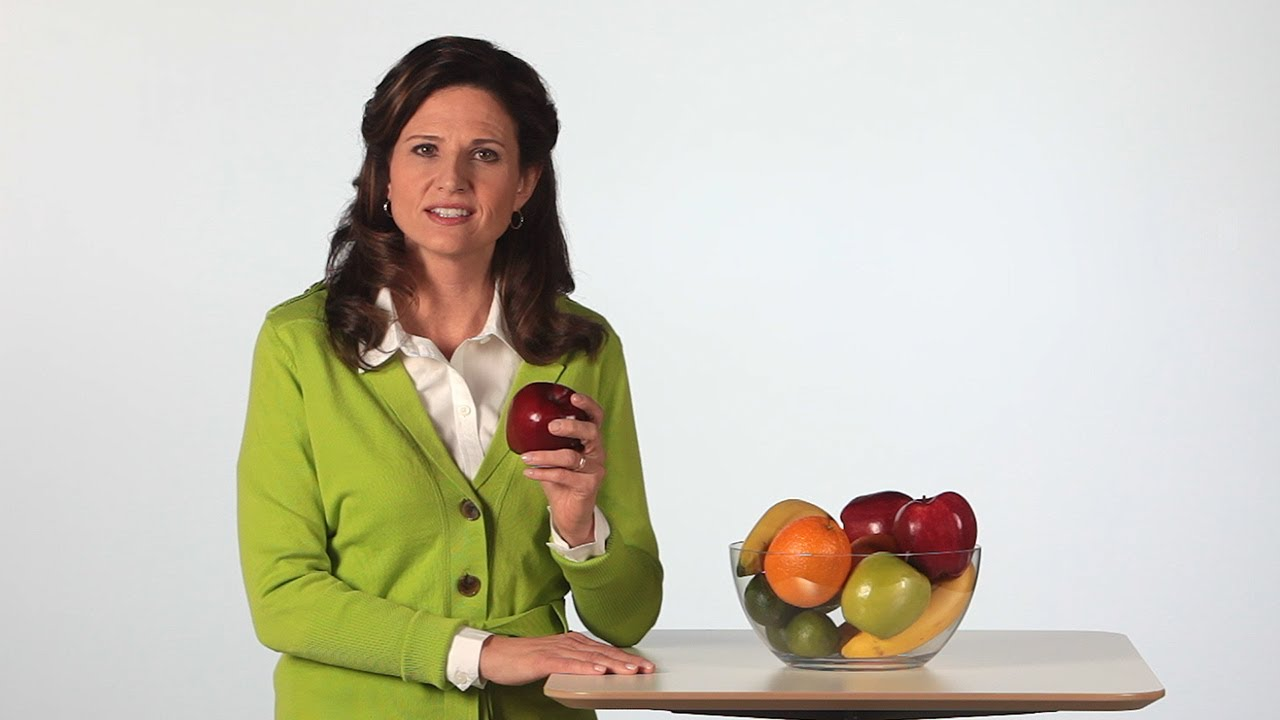
Eating a balanced diet rich in colorful fruits and vegetables can naturally support your eyes and overall health. Try to include a variety of these foods daily to keep your eyes nourished.
3. Protect Your Eyes from Digital Strain
In today’s digital age, prolonged screen time is almost unavoidable. Computers, smartphones, and tablets can strain your eyes, causing discomfort, dryness, and blurred vision—a condition known as digital eye strain or computer vision syndrome.
To reduce digital eye strain:
- Follow the 20-20-20 rule: Every 20 minutes, look at something 20 feet away for at least 20 seconds.
- Adjust your screen brightness and contrast to comfortable levels.
- Keep screens at a proper distance, about 20-24 inches from your eyes.
- Blink regularly to keep eyes moist.
- Consider using anti-glare screens or blue light filters.
Taking these small steps can significantly reduce eye fatigue and preserve long-term vision.
4. Wear Protective Eyewear
Your eyes are vulnerable to injury and damage from UV rays, chemicals, and physical impact. Wearing appropriate protective eyewear is crucial:
- Sunglasses: Choose sunglasses that block 100% of UVA and UVB rays to protect against cataracts and other UV-related damage.
- Safety goggles: Wear goggles when working with chemicals, power tools, or during sports to prevent injuries.
- Blue-light glasses: While research is ongoing, blue-light blocking glasses may reduce digital eye strain during long hours in front of screens.
Protecting your eyes from environmental hazards ensures they remain healthy and functional for years to come.
5. Maintain a Healthy Lifestyle
Lifestyle choices have a direct impact on vision. Here are some tips to promote overall eye health:
- Exercise regularly: Physical activity improves blood circulation, including to the eyes, which can help prevent conditions like glaucoma.
- Avoid smoking: Smoking increases the risk of cataracts, macular degeneration, and optic nerve damage.
- Get enough sleep: Rest is essential for eye repair and moisture balance.
- Stay hydrated: Drinking plenty of water prevents dry eyes and supports overall eye function.
A healthy lifestyle benefits both your body and your eyes, reducing the risk of preventable eye diseases.
6. Manage Health Conditions
Certain health conditions, such as diabetes and high blood pressure, can have serious effects on vision. Diabetes, for instance, can lead to diabetic retinopathy, a condition that damages the blood vessels in the retina. High blood pressure can cause hypertensive retinopathy, affecting vision over time. Managing chronic health issues with proper medication, diet, and lifestyle choices is essential for eye health.
7. Practice Good Eye Habits
Small daily habits can make a significant difference in eye health:
- Wash hands before touching your eyes to prevent infections.
- Avoid rubbing your eyes, as it can cause irritation or worsen conditions like keratoconus.
- Keep contact lenses clean and replace them as directed.
- Use artificial tears if your eyes feel dry or fatigued.
Being mindful of how you care for your eyes every day ensures long-term vision protection.
8. Consider Eye Exercises
While eye exercises cannot cure vision problems like nearsightedness or farsightedness, they can help reduce eye strain and improve focus flexibility. Simple exercises include:
- Focusing shifts: Hold a pen at arm’s length, focus on it, then shift focus to an object further away.
- Eye rolling: Slowly roll your eyes in circular motions to relax eye muscles.
- Palming: Rub your hands together, then gently place them over your closed eyes for a minute to relieve tension.
Incorporating these exercises into your routine can improve comfort, especially if you spend long hours reading or working on screens.
Frequently Asked Questions (FAQs)
1. How often should I get my eyes checked?
Adults should have a comprehensive eye exam every 1-2 years. Children and individuals with vision problems may need more frequent exams.
2. Can diet really improve vision?
Yes, a diet rich in vitamins A, C, E, omega-3 fatty acids, and zinc supports eye health and may reduce the risk of certain eye conditions.
3. How can I reduce digital eye strain?
Follow the 20-20-20 rule, adjust screen settings, blink regularly, and take breaks to rest your eyes.
4. Do sunglasses really protect against eye diseases?
Absolutely. Sunglasses that block 100% UVA and UVB rays protect against cataracts, macular degeneration, and other UV-related damage.
5. Are eye exercises necessary for healthy vision?
While they won’t correct vision problems, eye exercises help reduce strain, improve focus, and relieve tired eyes, especially for those who spend long hours in front of screens.
Conclusion
Maintaining healthy vision is a combination of good habits, proper nutrition, regular check-ups, and protective measures. Our eyes are precious, and with the right care, we can enjoy clear, sharp vision throughout our lives. By adopting these tips today, you’re investing in a future of strong, healthy eyesight.