

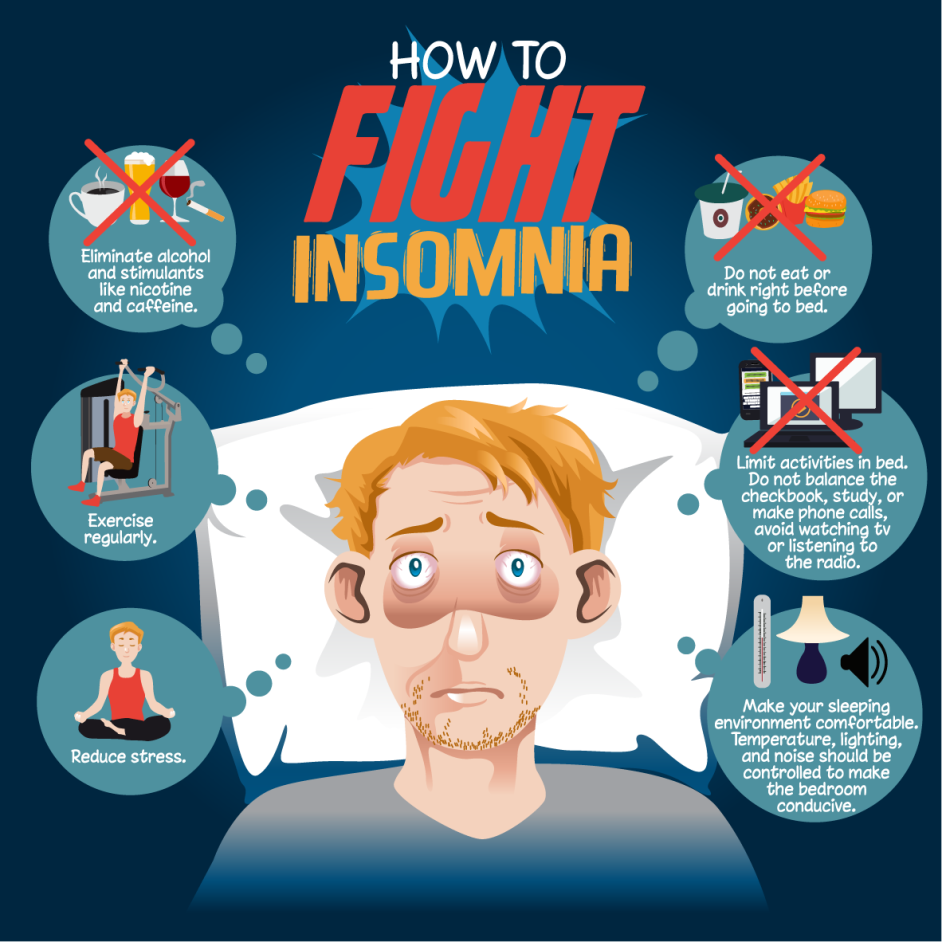

Sleep disorders affect many people, and they disrupt daily life in ways that add up over time. Insomnia is a major disorder, though many people also live with sleep apnea or restless leg syndrome. When you struggle to fall asleep or stay asleep, your body misses the rest it needs to function. Here is more information on the causes of insomnia and your treatment options:
Causes of Insomnia
Insomnia has many roots, and pinpointing yours helps guide treatment. Stress, anxiety, and depression rank among the top triggers, but physical conditions play a role too. When pain, hormonal shifts, and certain illnesses interrupt sleep cycles, they can make insomnia worse over time.
Lifestyle habits matter more than most people realize. A few major culprits of sleep disorders stand out when doctors review patterns:
- Caffeine or alcohol late in the day
- Bedtimes that are irregular and screen use at night
- Naps that run too long
Some medications can keep you awake, and reviewing your prescriptions helps. When a doctor spots a hidden cause, treatment becomes clearer. You may gain more control once you know what fuels your sleepless nights.
Sleep Testing Tools
Doctors use several tools to measure how you sleep, and each one reveals different clues. A polysomnography test tracks brain waves, oxygen levels, and heart rate overnight. Since it records so much detail, it helps identify apnea, movement disorders, and other issues.
Home sleep tests offer a simpler option for many patients. Some jobs require sleep testing too, especially roles that involve driving or operating heavy equipment. Commercial drivers often need screening, and employers request these tests to reduce safety risks. When results show a problem, you and your doctor build a plan together.
Stimulus Control Therapy
Stimulus control therapy retrains your brain to link your bed with sleep. The method sounds simple, but it takes consistency to work. As your mind learns habits through repetition, you break the cycle of lying awake and feeling frustrated.
The approach follows a few clear rules that you practice each night:
- Go to bed only when sleepy
- Leave the bedroom if you stay awake too long
- Wake at the same time every morning
You avoid screens, work, and worry in bed, and this strengthens the sleep connection. A therapist guides you through the process. When you stick with it, your body starts to respond to the new routine.
Sleep Medications
Some people turn to medication when other methods fall short. Doctors prescribe sleep aids for short periods, and they monitor how your body reacts. Since many medications carry side effects, your provider reviews your health history first.
Over-the-counter options exist, but prescription drugs give doctors more control over dosing. If apnea is the issue, a CPAP machine often becomes the main treatment. The device pushes steady air through a mask, and it keeps your airway open while you sleep. When you use it nightly, your breathing stays regular through the night.
Medication works best alongside other changes. You might pair it with therapy or new sleep habits, and your doctor adjusts the plan as needed. Since insomnia has many causes, treatment typically combines several tools.
Get Treated for Sleep Disorders
Poor sleep affects your mood, focus, and health, so addressing it matters. A doctor helps you find the cause, and they match a treatment to your needs. Since every case differs, professional guidance points you toward the right steps. Talk with a sleep specialist about testing and treatment options today. Schedule an appointment and take the first step to find better rest.