
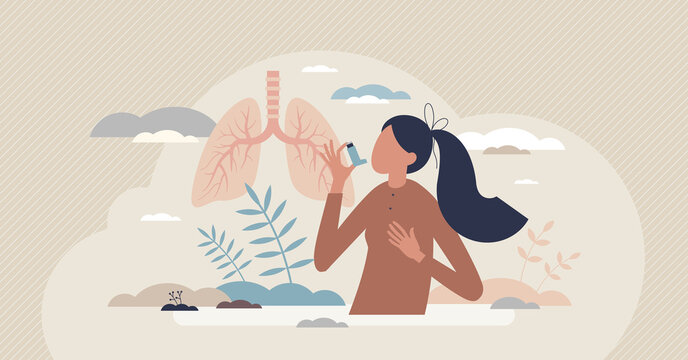

Our lungs are essential organs that allow us to breathe, supplying oxygen to our body and removing carbon dioxide. Despite their importance, many people neglect their lung health until problems arise. Healthy lungs not only improve our physical endurance but also boost overall well-being and immunity. The good news is that maintaining strong and healthy lungs is possible through simple daily habits and lifestyle choices. In this article, we’ll explore practical tips for keeping your lungs healthy and improving your breathing naturally.
1. Quit Smoking and Avoid Secondhand Smoke
One of the most important steps for healthy lungs is to avoid smoking. Cigarette smoke contains harmful chemicals that can damage the delicate tissues in your lungs, reduce lung capacity, and increase the risk of diseases like chronic obstructive pulmonary disease (COPD) and lung cancer.
Even if you don’t smoke, exposure to secondhand smoke can be harmful. Studies show that breathing in other people’s smoke can irritate your airways, reduce lung function, and trigger asthma attacks. Quitting smoking, or avoiding smoke-filled environments, is one of the most effective ways to protect your lungs for the long term.
2. Practice Deep Breathing Exercises
Many of us breathe shallowly, especially when stressed or busy. Shallow breathing means your lungs are not fully inflated, which limits oxygen intake. Deep breathing exercises can strengthen your lungs and improve oxygen flow.
Simple exercises include:
- Diaphragmatic breathing: Lie on your back, place your hands on your stomach, and take slow, deep breaths, making your belly rise and fall.
- Pursed-lip breathing: Inhale slowly through your nose, then exhale through pursed lips, as if blowing out a candle.
- Box breathing: Inhale for four counts, hold for four, exhale for four, and hold again for four.
Practicing these daily for a few minutes can increase lung efficiency and reduce stress.
3. Exercise Regularly
Physical activity is not just good for your heart and muscles; it also supports lung health. Aerobic exercises like walking, running, swimming, and cycling make your lungs work harder, increasing their capacity and endurance.
Even moderate exercise, like brisk walking for 30 minutes a day, can:
- Improve lung function
- Increase oxygen uptake
- Strengthen the respiratory muscles
Additionally, activities like yoga and Pilates emphasize controlled breathing, which further enhances lung capacity and flexibility.
4. Maintain Good Indoor Air Quality
Indoor air can be more polluted than outdoor air due to dust, mold, chemicals, and pet dander. Poor air quality can irritate your lungs and trigger allergies or asthma. To keep your lungs healthy:
- Use air purifiers to remove pollutants
- Ensure proper ventilation in your home
- Regularly clean surfaces and bedding to reduce dust and allergens
- Avoid harsh cleaning chemicals when possible
Even simple steps like opening windows for fresh air or adding indoor plants can improve the quality of the air you breathe.
5. Eat a Lung-Friendly Diet
What you eat can affect your lung health. Certain foods are rich in antioxidants, vitamins, and anti-inflammatory compounds that support lung function and reduce oxidative stress. Key foods include:
- Fruits and vegetables: Apples, berries, spinach, and kale provide vitamins C and E, which help fight inflammation.
- Omega-3 fatty acids: Found in fish like salmon and walnuts, these can reduce lung inflammation.
- Garlic and ginger: Natural anti-inflammatory properties help maintain healthy airways.
Avoiding processed foods, excessive sugar, and trans fats is also important, as these can contribute to inflammation and worsen respiratory conditions.
6. Stay Hydrated
Drinking enough water is often overlooked but crucial for lung health. Hydration keeps the mucosal linings in your lungs thin, which helps your lungs function efficiently and prevents irritation. Adults should aim for at least 8 glasses of water daily, and more if exercising or in hot climates.
7. Avoid Pollutants and Occupational Hazards
Air pollution, dust, chemicals, and fumes can harm your lungs over time. If your job exposes you to dust, smoke, or chemicals, wearing protective masks or ensuring proper ventilation is essential. Similarly, try to minimize exposure to outdoor pollution by:
- Checking daily air quality indexes
- Avoiding heavy traffic areas
- Exercising in cleaner environments
Even small changes can make a big difference over years.
8. Get Vaccinated
Certain infections, like flu or pneumonia, can cause serious lung problems. Vaccinations help prevent these infections, reducing stress on your lungs and lowering the risk of complications. Talk to your doctor about vaccines appropriate for your age and health condition.
9. Practice Good Posture
It may sound surprising, but your posture affects your lung function. Slouching compresses your lungs, limiting their capacity and making breathing shallow. Sitting or standing straight with your shoulders relaxed helps your lungs expand fully, improving oxygen intake.
10. Manage Stress
Chronic stress can lead to shallow breathing, which reduces oxygen supply to your body. Practicing stress management techniques such as meditation, yoga, or mindfulness can help you maintain calm, relax your breathing, and support lung health.
5 Frequently Asked Questions (FAQs)
1. How can I tell if my lungs are healthy?
Healthy lungs usually allow you to breathe comfortably without wheezing, shortness of breath, or persistent cough. If you notice symptoms like frequent coughing, chest pain, or difficulty breathing, consult a doctor.
2. Can exercise really improve lung capacity?
Yes! Aerobic exercises and breathing exercises strengthen respiratory muscles, increase oxygen intake, and improve overall lung efficiency over time.
3. Are there foods that damage the lungs?
Processed foods, excessive sugar, and trans fats can increase inflammation, which may worsen lung conditions. Reducing these and eating antioxidant-rich foods is better for lung health.
4. How does smoking affect breathing?
Smoking damages lung tissues, reduces oxygen absorption, and increases the risk of diseases like COPD and lung cancer. Quitting smoking is the most effective way to protect your lungs.
5. Can poor air quality really harm the lungs?
Yes. Pollutants, dust, and chemicals can irritate airways, reduce lung function, and increase the risk of respiratory diseases. Using purifiers, proper ventilation, and masks can help reduce exposure.
Conclusion
Healthy lungs are vital for overall wellness and quality of life. By avoiding smoking, practicing deep breathing, exercising, eating nutrient-rich foods, and taking steps to minimize pollutants, you can keep your lungs strong and resilient. Small daily habits go a long way in maintaining clear airways, better oxygen flow, and a healthier body. Start today with even one or two changes, and your lungs will thank you for years to come.