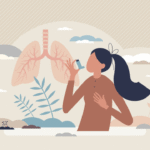



Asthma is a chronic condition that affects the airways, making it difficult to breathe at times. People with asthma often experience symptoms like wheezing, coughing, chest tightness, and shortness of breath. Although asthma cannot be completely cured, it can be effectively managed with the right strategies. With proper management techniques, people with asthma can live active, healthy, and fulfilling lives.
This article will explain simple and practical asthma management techniques, helping both patients and caregivers understand how to handle asthma safely and efficiently.
Understanding Asthma
Asthma occurs when the airways become inflamed and narrow, often triggered by allergens, cold air, exercise, stress, or respiratory infections. These triggers can vary from person to person. Because asthma symptoms can range from mild to severe, it’s important to have a clear plan to prevent flare-ups and manage attacks.
Effective asthma management focuses on preventing symptoms, reducing triggers, and improving lung function. Let’s dive into the most useful techniques to manage asthma daily.
1. Regular Use of Medications
Medications are the backbone of asthma management. They are generally divided into two categories:
a) Controller Medications
Controller medications, often called maintenance medications, are taken daily to reduce inflammation in the airways and prevent asthma attacks. These include inhaled corticosteroids, leukotriene modifiers, and long-acting bronchodilators.
b) Rescue Medications
Rescue medications, or relievers, provide quick relief during an asthma attack. Short-acting bronchodilators, like albuterol, help open airways fast and are used only when needed.
Tip: Always follow your doctor’s prescription and never skip your controller medications, even if you feel well. Consistent use prevents flare-ups.
2. Identifying and Avoiding Triggers
Knowing what triggers your asthma is crucial. Common triggers include:
- Allergens: Pollen, dust mites, mold, pet dander.
- Irritants: Smoke, strong perfumes, air pollution, chemical fumes.
- Respiratory Infections: Colds, flu, sinus infections.
- Physical Activity: Exercise-induced asthma is common, especially during intense workouts.
- Weather Changes: Cold air or sudden temperature changes can worsen symptoms.
- Stress: Emotional stress may sometimes trigger attacks.
Once you identify your triggers, you can minimize exposure. For example, using air purifiers, wearing masks in polluted areas, and avoiding smoke can help prevent flare-ups.
3. Monitoring Symptoms and Peak Flow
Monitoring your asthma helps you recognize early warning signs before an attack occurs. Two effective techniques include:
- Symptom Diary: Keep track of coughing, wheezing, or shortness of breath daily.
- Peak Flow Meter: This small device measures how fast you can blow air out of your lungs. Regular use can detect decreased lung function even before symptoms appear.
By monitoring your condition, you and your doctor can adjust medications and prevent severe attacks.
4. Breathing Exercises
Breathing exercises are a natural and effective way to manage asthma. They improve lung capacity, reduce stress, and strengthen respiratory muscles. Common techniques include:
- Pursed-Lip Breathing: Breathe in through your nose and slowly exhale through pursed lips. This slows your breathing and helps keep airways open.
- Diaphragmatic Breathing: Focus on deep breathing from the diaphragm instead of shallow chest breathing. This increases oxygen intake and relaxes the body.
Practicing these exercises daily can significantly improve your breathing control, especially during mild asthma episodes.
5. Maintaining a Healthy Lifestyle
A healthy lifestyle complements medical treatment and improves overall lung health. Consider these habits:
- Balanced Diet: Include fruits, vegetables, whole grains, and lean proteins. Omega-3 fatty acids from fish or flaxseeds may reduce airway inflammation.
- Regular Exercise: Moderate exercise strengthens the lungs. Swimming and yoga are especially beneficial for asthma patients. Avoid exercising in cold or polluted environments.
- Weight Management: Being overweight can worsen asthma symptoms. Maintaining a healthy weight reduces strain on the lungs.
- Adequate Sleep: Poor sleep can trigger asthma attacks. Aim for 7–8 hours of quality sleep each night.
6. Immunizations and Preventive Care
Respiratory infections can worsen asthma. Vaccinations are important preventive measures:
- Flu Vaccine: Reduces the risk of influenza, which can trigger asthma attacks.
- Pneumococcal Vaccine: Protects against bacterial pneumonia.
- COVID-19 Vaccine: Protects against severe COVID-19 symptoms that may aggravate asthma.
Regular checkups with your doctor ensure your asthma plan remains effective and up-to-date.
7. Developing an Asthma Action Plan
An Asthma Action Plan is a personalized guide created with your doctor. It details:
- Daily medications and doses
- How to recognize early signs of an asthma attack
- Steps to take during an attack
- When to seek emergency help
Having a clear plan reduces anxiety, ensures quick response during attacks, and can save lives.
8. Reducing Stress and Anxiety
Stress and anxiety can worsen asthma symptoms by causing rapid breathing or airway constriction. Effective stress management includes:
- Meditation or mindfulness practices
- Light yoga and stretching
- Deep breathing exercises
- Listening to calming music
Maintaining emotional health is just as important as physical health for managing asthma.
9. Environmental Modifications
Small changes at home and work can prevent asthma attacks:
- Use hypoallergenic bedding and pillow covers
- Keep rooms clean and dust-free
- Avoid carpets if possible
- Ensure good ventilation
- Use air filters to reduce indoor pollutants
Creating a safe environment minimizes triggers and helps maintain regular breathing.
10. Knowing When to Seek Help
Even with proper management, asthma attacks can happen. Seek medical attention immediately if:
- You have trouble speaking due to shortness of breath
- Your lips or face turn blue
- Rescue inhalers do not relieve symptoms
- Coughing or wheezing is severe and persistent
Early medical intervention can prevent complications and ensure safety.
Conclusion
Asthma management is a combination of medication, lifestyle habits, trigger avoidance, and self-awareness. By following these techniques, people with asthma can lead active, healthy lives without frequent interruptions from symptoms. Regular communication with healthcare providers, using an asthma action plan, and maintaining a healthy environment are key to long-term asthma control.
Remember, asthma may be chronic, but with the right approach, it does not have to limit your life.
Frequently Asked Questions (FAQs)
1. Can asthma be cured completely?
No, asthma cannot be completely cured. However, with proper management, symptoms can be controlled, and attacks minimized.
2. How often should I use a rescue inhaler?
Rescue inhalers should be used only during asthma symptoms. Frequent use may indicate poorly controlled asthma, and your doctor may adjust your treatment.
3. Are natural remedies effective for asthma?
Natural remedies, such as breathing exercises and healthy diets, can support asthma management but should not replace prescribed medications.
4. Can children with asthma play sports?
Yes, children with asthma can participate in sports with proper management, warm-ups, and having a rescue inhaler on hand.
5. How can I prevent asthma attacks at home?
Keep your home clean, avoid triggers like dust and smoke, use air purifiers, and follow your medication plan consistently.