

Taking your loved one to a nursing home provides a safe environment where they can receive personalized care. From the assisted living facilities to the senior housing, there are many options available for elderly individuals who require extended care. A nursing home provides close supervision, assistance with daily activities, and access to medical care. Here are a few signs that indicate your loved one needs extended nursing care:
Frequent Health Declines
Repeated hospital visits or worsening chronic conditions may indicate the need for consistent medical supervision. In a nursing home, your loved one will have access to trained medical staff who will monitor their health. This allows for quick intervention if there are changes in their health status.
During your visit to the care facility, communicate with the staff about your loved one’s medical history. If there are specific health concerns or treatments that need to be continued, inform the staff so they are able to provide appropriate care. Regularly check in with the medical team at the facility to stay updated on your loved one’s health.
There may also be instances where your loved one requires specialized care, such as memory care for dementia, physical therapy for mobility challenges, or skilled nursing for complex medical needs. Collaborating with the facility’s medical team verifies that these services are tailored to your loved one. Share details about their routines, triggers, and preferences so staff can provide consistent, personalized support.
Difficulty With Daily Tasks
Your loved one may have difficulty completing daily tasks such as bathing, dressing, and meal preparation. Find a facility that offers assistance with these tasks while still promoting residents’ independence and dignity. When you visit a nursing home, check the staff-to-patient ratio to verify your loved one will receive sufficient care. Inquire about the facility’s protocol for handling medical emergencies. During the visit, observe how the staff interacts with residents to verify they are compassionate and attentive.
Safety Concerns at Home
Frequent falls, accidents, or an unsafe living environment indicate the need for a more secure setting. Nursing care facilities address safety through accessibility features and daily operational procedures. Emergency response systems allow immediate assistance if a resident falls or becomes ill.
Most facilities employ a full-time licensed nurse and provide rapid access to healthcare services. These measures reduce the risk of delayed care in emergencies. In case of fire or other urgent situations, facilities implement evacuation protocols, including regular drills and trained staff to assist residents. Security systems are also in place to prevent unauthorized access and maintain a controlled environment.
Constant Memory Issues
Symptoms such as memory lapses, wandering, or missed medications may indicate the need for specialized care. Memory care units or assisted living communities provide structured programs tailored for individuals with ongoing cognitive challenges. These programs often include daily routines, cognitive exercises, and monitored medication schedules to maintain consistency and safety.
Long-term nursing care facilities offer continuous supervision, which is especially necessary for residents with unreliable memory. Many facilities incorporate activities designed to engage and stimulate cognitive function, including group exercises, puzzles, and memory-focused therapy sessions. Facilities with a dedicated focus on memory care typically employ staff trained in managing Alzheimer’s disease and other forms of dementia. Some may also use specialized monitoring systems and secured living areas to make sure residents’ needs are addressed at all times.
Visit a Nursing Home
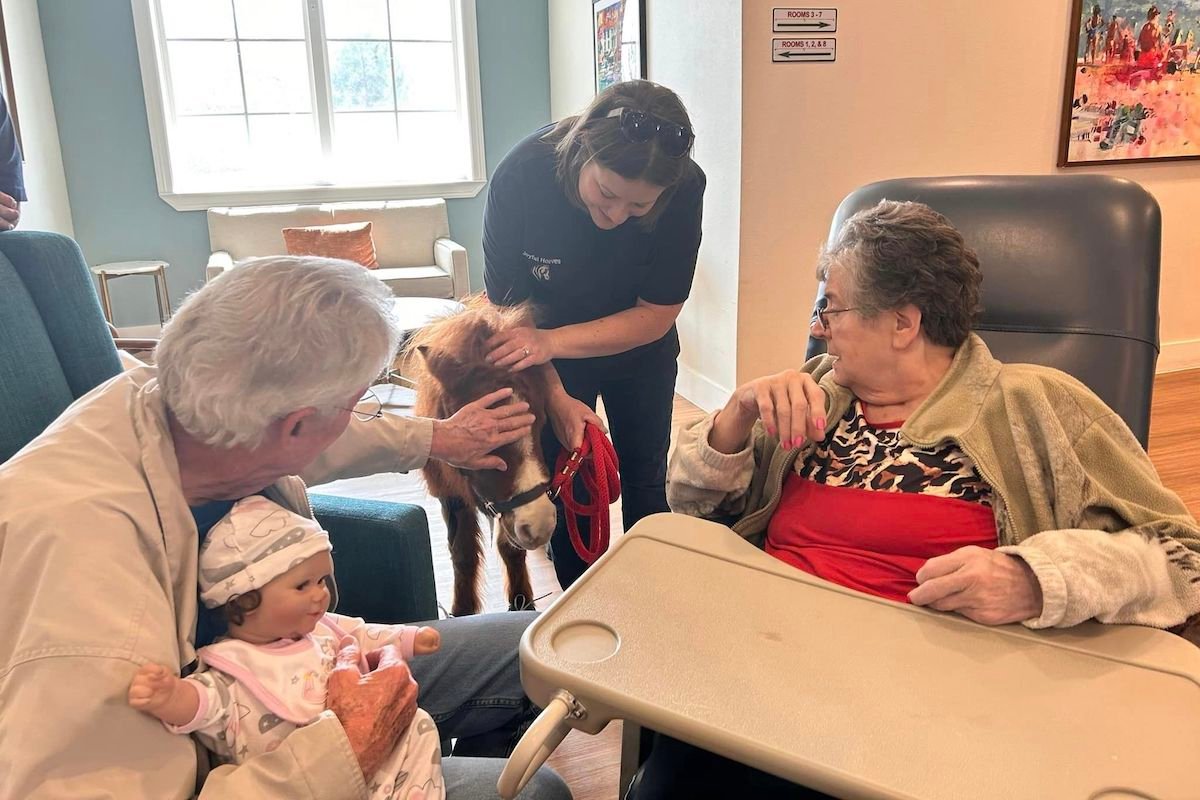
Extended nursing care facilities provide opportunities for residents to engage with peers and participate in a range of activities. Such facilities also provide a safe, comfortable environment for your loved one, no matter their health status. Visits to the facility allow observation of the environment and direct communication with staff. Find a reliable nursing home facility today.