
By using this site, you agree to the Privacy Policy and Terms of Use.
Accept
Sign In
Southslopenews.ComSouthslopenews.ComSouthslopenews.Com
Notification
Font ResizerAa
  • Cardiology
  • Dentistry
  • Dermatology
  • Gynecology
  • Podiatry
  • Orthopedic
  • Gastroenterology
  • Blog
    • Allergy & Immunology
    • Chiropractic Care
    • ENT
    • Fitness & Exercise
    • General Health & Wellness
    • Massage Therapy
    • Mental Health
    • Ophthalmology
    • Pediatric Care
    • Physical Therapy
    • Respiratory Health
    • Sexual Health
    • Sleep Health
    • Weight Management
    • Women’s Health
Reading: Interventional Radiology Techniques for Treating Aneurysms
Share
Southslopenews.ComSouthslopenews.Com
Font ResizerAa
Search
  • Cardiology
  • Dentistry
  • Dermatology
  • Gynecology
  • Podiatry
  • Orthopedic
  • Gastroenterology
  • Blog
    • Allergy & Immunology
    • Chiropractic Care
    • ENT
    • Fitness & Exercise
    • General Health & Wellness
    • Massage Therapy
    • Mental Health
    • Ophthalmology
    • Pediatric Care
    • Physical Therapy
    • Respiratory Health
    • Sexual Health
    • Sleep Health
    • Weight Management
    • Women’s Health
Have an existing account? Sign In
Follow US
© 2026 Southslopenewss. All Rights Reserved.
Interventional Radiology Techniques for Treating Aneurysms
Southslopenews.Com > Blog > Interventional Radiology Techniques for Treating Aneurysms
Blog

Interventional Radiology Techniques for Treating Aneurysms

Richard
Last updated: July 1, 2026 9:16 pm
Richard
Published: July 1, 2026
Share
4 Min Read
SHARE

Interventional radiology uses imaging technology to guide targeted treatments inside the body, and they reduce the need for open surgery. These procedures offer several benefits, which include shorter recovery times and less trauma to surrounding tissue. They may also provide more precise outcomes for patients with a range of vascular and structural conditions, including aneurysms.

Contents
Understanding AngiographyExploring Scans and BiopsiesDraining Infections and FluidSeeking Professional HelpLearn More About Interventional Radiology

Understanding Angiography

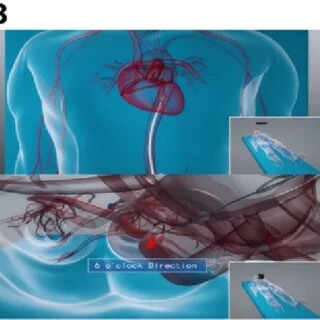
Angiography is an interventional radiology procedure that uses X-ray imaging to examine blood vessels. A contrast dye is injected into the bloodstream, and X-rays capture how it moves through the arteries and veins. Physicians use angiography to reveal blockages, abnormalities, and aneurysms.

When treating an aneurysm, angiography serves two purposes: diagnosis and intervention. The imaging guides the placement of coils or stents inside the affected vessel, and this helps prevent rupture. This targeted approach spares patients from more invasive surgical options.

Exploring Scans and Biopsies

A biopsy involves removing a small sample of tissue for laboratory analysis. Radiologists use imaging tools such as ultrasound or CT scans to guide a needle precisely to the target area. The tissue sample helps pathologists determine whether cells are benign or malignant. Biopsies are performed on organs including the liver, kidney, lung, and lymph nodes. The procedure is minimally invasive, and patients typically return home the same day. Because the radiologist can see exactly where the needle is going, the risk of complications remains low.

Draining Infections and Fluid

An untreated abscess can spread to surrounding tissue. To drain fluid, a radiologist can perform draining procedures:

  1. Accessing the infection: To begin treatment, a small catheter is gently inserted through the skin.
  2. Guiding the catheter: Using real-time imaging, the radiologist precisely navigates the catheter directly to the infected site.
  3. Draining the fluid: The infected fluid is safely drained.

This minimally invasive approach successfully resolves the infection without the need for open surgery.

Seeking Professional Help

Some conditions respond particularly well to interventional radiology, and recognizing the signs early can lead to better outcomes. A physician may refer a patient to a radiologist when:

  • A mass or lesion has been detected, and tissue sampling is needed for diagnosis
  • Imaging has revealed a blocked or narrowed blood vessel
  • An abscess or fluid collection requires drainage
  • An aneurysm has been identified, and non-surgical treatment is preferred
  • Persistent pain or swelling in a specific area has not responded to other treatments

Symptoms alone rarely determine whether interventional radiology is appropriate, so a physician’s evaluation typically happens before a referral. Another referral may follow imaging results that point to a condition treatable through minimally invasive means.

Learn More About Interventional Radiology

Interventional radiology offers minimally invasive techniques for diagnosing and treating a wide range of conditions, from aneurysms to abscesses. Angiography maps blood vessels and guides aneurysm repair, and biopsies provide tissue samples for accurate diagnosis. Drainage procedures clear infections without open surgery. Recognizing symptoms that may warrant a radiologist’s evaluation is the first step toward appropriate care. If you want to learn more about interventional radiology services, consult a radiologist near you.


  • The Significance of Follow-Up Appointments With Your Plastic Surgeon
  • How To Manage Spider Veins With Professional Help
  • Interventional Radiology Techniques for Treating Aneurysms
  • Top Qualities To Look for in a Trusted Jeweler
  • How To Prepare for a Spinal Cord Stimulation Appointment
The Benefits of Long-Term Parking Solutions
Signs Your Loved One May Need Extended Nursing Care
Preparing for Your CPR Certification Exam: Tips and Tricks
Top Qualities To Look for in a Trusted Jeweler

Sign Up For Daily Newsletter

Be keep up! Get the latest breaking news delivered straight to your inbox.
[mc4wp_form]
By signing up, you agree to our Terms of Use and acknowledge the data practices in our Privacy Policy. You may unsubscribe at any time.
Share This Article
Facebook Email Print
Share
Previous Article Top Qualities To Look for in a Trusted Jeweler Top Qualities To Look for in a Trusted Jeweler
Next Article How To Manage Spider Veins With Professional Help How To Manage Spider Veins With Professional Help
Leave a Comment Leave a Comment

Leave a Reply Cancel reply

Your email address will not be published. Required fields are marked *

Latest Posts

The Significance of Follow-Up Appointments With Your Plastic Surgeon
Dermatology
How To Manage Spider Veins With Professional Help
Dermatology
How To Prepare for a Spinal Cord Stimulation Appointment
Physical Therapy
Ear Infection Prevention Tips: How to Keep Your Ears Healthy
ENT
Sinus Care Tips at Home: Simple Ways to Relieve Sinus Problems
ENT
Tips for Healthy Weight Loss
Weight Management

SouthsLopeNewss

LInks

  • Southslopenews.Com
  • About Us
  • Privacy Policy
  • Contact Us
Subscribe Newsletter
Subscribe to our newsletter to get our newest articles instantly!
Contact Us: Wapexp2@gmail.com

Find Us on Socials

© 2026 Southslopenewss. All Rights Reserved.
Welcome Back!

Sign in to your account

Username or Email Address
Password

Lost your password?