

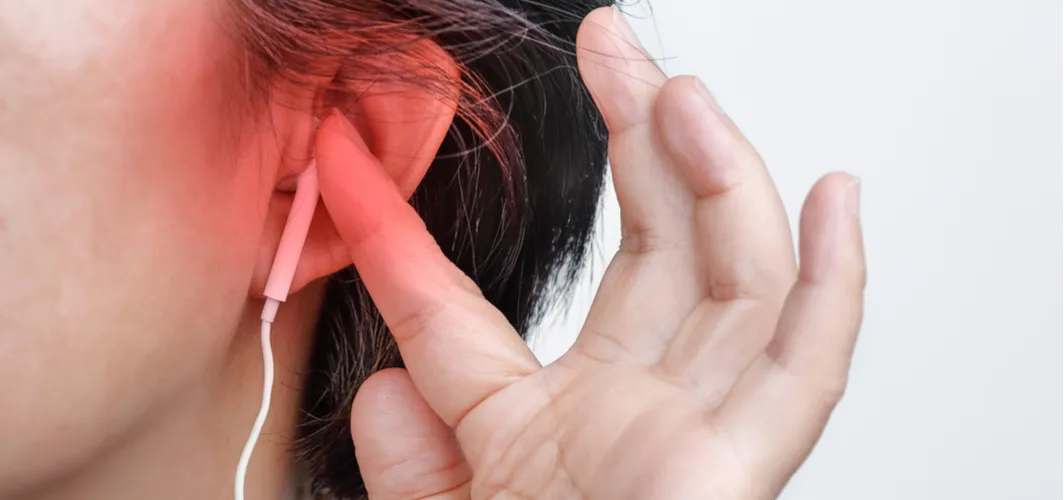

Ear infections are a common problem that can affect anyone—children, adults, and even seniors. They can cause pain, discomfort, hearing difficulties, and sometimes lead to serious complications if not managed properly. While treatment is important, prevention is always better than cure. In this article, we will explore simple, practical ear infection prevention tips to help you protect your ears naturally.
Understanding Ear Infections
Before diving into prevention, it’s essential to understand what ear infections are. An ear infection occurs when bacteria, viruses, or fungi infect the ear, causing inflammation and discomfort. There are different types of ear infections:
- Outer Ear Infection (Otitis Externa): Often called “swimmer’s ear,” it affects the ear canal and can be caused by water remaining in the ear, which creates a moist environment for bacteria.
- Middle Ear Infection (Otitis Media): Usually common in children, this occurs behind the eardrum and can result from colds, allergies, or sinus infections.
- Inner Ear Infection: Less common but more serious, it affects the inner ear and can cause dizziness or hearing loss.
Understanding the type of infection helps in preventing it effectively. Most ear infections can be avoided with simple lifestyle changes and hygiene practices.
Ear Infection Prevention Tips
Here are some practical tips to keep your ears safe and healthy:
1. Keep Your Ears Dry
Moisture in the ear is a common cause of ear infections, especially in swimmers. To prevent this:
- Dry your ears thoroughly after swimming or bathing.
- Tilt your head to each side and gently pull the earlobe to let water drain.
- Use a soft towel or tissue to wipe the outer ear, but avoid inserting cotton swabs deep into the ear canal.
- Consider wearing earplugs while swimming if you are prone to infections.
2. Practice Good Ear Hygiene
Cleaning your ears properly can prevent infections:
- Avoid inserting sharp objects, cotton swabs, or fingernails into your ears. This can push wax deeper or damage the ear canal.
- Use a damp cloth to clean the outer ear only.
- If you have excessive earwax buildup, see a doctor for professional cleaning instead of trying to remove it at home.
3. Manage Allergies and Colds
Allergies and respiratory infections can increase the risk of middle ear infections. To reduce this risk:
- Treat seasonal allergies with medications or natural remedies recommended by a doctor.
- Practice good hand hygiene to prevent colds and flu.
- Avoid exposure to smoke and pollutants, as they can irritate the respiratory system and affect the ears.
4. Strengthen Your Immune System
A strong immune system helps your body fight infections, including those in the ears. You can strengthen immunity by:
- Eating a balanced diet rich in fruits, vegetables, and whole grains.
- Staying hydrated by drinking plenty of water.
- Exercising regularly to improve circulation and immunity.
- Getting enough sleep to allow your body to repair and fight infections.
5. Avoid Loud Noises
While not directly linked to infections, prolonged exposure to loud noises can weaken your ear health over time, making you more vulnerable to problems. Use ear protection in noisy environments and keep headphone volume at safe levels.
6. Be Careful With Earbuds and Headphones
Earbuds can trap moisture and bacteria in your ear canal. To prevent infections:
- Clean your earbuds regularly with a soft cloth and disinfectant.
- Avoid sharing earbuds with others.
- Limit the use of in-ear headphones when your ears are already irritated or infected.
7. Treat Ear Problems Promptly
If you experience pain, fluid discharge, hearing loss, or dizziness, see a doctor immediately. Early treatment prevents complications and reduces the chances of recurring infections.
Lifestyle Habits for Long-Term Ear Health
In addition to daily hygiene, adopting healthy lifestyle habits supports overall ear health:
- Stay Active: Regular exercise improves circulation to all parts of the body, including the ears.
- Avoid Smoking: Tobacco smoke irritates the ear and respiratory system, increasing the risk of infections.
- Manage Stress: High stress levels weaken immunity, so practice mindfulness, meditation, or relaxation techniques.
- Regular Checkups: Children and adults prone to ear infections should have routine ear checkups to detect problems early.
Natural Remedies to Support Ear Health
While prevention is key, some natural remedies may help reduce the risk of minor ear discomfort:
- Warm Compress: Helps soothe mild pain and improve circulation.
- Garlic Oil: Known for its antibacterial properties, it can sometimes be used externally around the ear (never directly into the ear canal without medical advice).
- Apple Cider Vinegar: Diluted and used with a cotton ball at the ear entrance can help balance ear pH.
Remember, these remedies are supportive, not a replacement for professional care when an infection occurs.
Common Triggers to Avoid
- Excessive Water Exposure: Avoid prolonged swimming in untreated water or pools.
- Cold Weather: Protect ears from extreme cold with earmuffs or hats.
- Allergen Exposure: Dust, pollen, and pet dander can trigger infections in sensitive individuals.
- Delayed Treatment of Sinus or Throat Infections: Promptly treating these reduces the risk of middle ear infections.
5 Frequently Asked Questions (FAQs)
1. Can ear infections be prevented completely?
While it’s not always possible to prevent every ear infection, following good hygiene, keeping ears dry, and managing health risks significantly reduces the chances.
2. Are children more prone to ear infections than adults?
Yes. Children’s Eustachian tubes are shorter and more horizontal, making it easier for bacteria and fluid to accumulate, which leads to infections.
3. Is it safe to use cotton swabs to clean ears?
No. Cotton swabs can push wax deeper and damage the ear canal, increasing the risk of infection. Only clean the outer ear gently.
4. How does swimming cause ear infections?
Water trapped in the ear canal creates a moist environment where bacteria can grow, leading to outer ear infections like swimmer’s ear.
5. When should I see a doctor for an ear infection?
See a doctor if you experience severe pain, fever, fluid discharge, hearing loss, or if symptoms persist for more than a couple of days. Early medical intervention prevents complications.
Conclusion
Ear infections can be painful and disruptive, but with the right habits, they are largely preventable. Maintaining ear hygiene, keeping ears dry, managing health and allergies, and practicing a healthy lifestyle can go a long way in protecting your ears. Always remember that early detection and prompt medical attention are crucial if symptoms arise. By following these simple ear infection prevention tips, you can enjoy better ear health and prevent unnecessary discomfort.