

Acne is a common skin problem that affects people of all ages, especially teenagers and young adults. While many turn to creams, medications, and professional treatments, natural remedies can also be effective in treating acne without harsh chemicals. Natural acne treatments work by reducing inflammation, balancing hormones, cleansing the skin, and fighting bacteria—all without harming your skin or body. In this article, we will explore how to treat acne naturally using simple, safe, and effective methods.
Understanding Acne
Acne occurs when hair follicles become clogged with oil, dead skin cells, and bacteria. Hormonal changes, poor diet, stress, and improper skin care can all trigger breakouts. Acne can appear as whiteheads, blackheads, pimples, or cysts. While it is not usually dangerous, it can affect self-confidence and leave scars if not managed properly.
Treating acne naturally focuses on restoring balance to your skin, reducing inflammation, and keeping the pores clean. Unlike some medications that only mask symptoms, natural remedies often improve overall skin health over time.
1. Keep Your Skin Clean
The first step in treating acne naturally is keeping your skin clean. Use a gentle cleanser that does not strip your skin of natural oils. Over-washing can irritate the skin and worsen acne. Wash your face twice a day—morning and evening—and after sweating. Avoid harsh scrubs, which can damage the skin and spread bacteria.
Tips:
- Use lukewarm water instead of hot water.
- Choose a mild, non-comedogenic cleanser.
- Pat your skin dry with a soft towel instead of rubbing it.
2. Use Tea Tree Oil
Tea tree oil is a natural antibacterial and anti-inflammatory remedy. It can help reduce redness, swelling, and the number of acne-causing bacteria. Tea tree oil works best when diluted, as it is strong and can irritate the skin if applied directly.
How to Use:
- Mix a few drops of tea tree oil with a carrier oil like coconut or jojoba oil.
- Apply it to the affected areas using a cotton swab.
- Leave it on for a few hours or overnight, then rinse with water.
3. Aloe Vera for Soothing Skin
Aloe vera is known for its soothing and healing properties. It can help reduce inflammation, redness, and swelling caused by acne. Aloe vera also supports skin repair and can prevent acne scars.
How to Use:
- Cut a fresh aloe vera leaf and extract the gel.
- Apply the gel directly to acne spots and leave it on for 20–30 minutes.
- Rinse with lukewarm water.
You can also use aloe vera-based creams if fresh gel is not available.
4. Maintain a Healthy Diet
Your diet has a direct impact on your skin. Foods high in sugar, dairy, and processed ingredients can trigger acne in some people. On the other hand, foods rich in antioxidants, vitamins, and healthy fats can improve skin health and reduce breakouts.
Foods That Help:
- Fruits and vegetables like berries, spinach, and broccoli.
- Omega-3 rich foods like salmon, walnuts, and flax seeds.
- Green tea, which has anti-inflammatory properties.
Foods to Avoid:
- Sugary snacks and drinks.
- Excessive dairy products.
- Fast food and heavily processed meals.
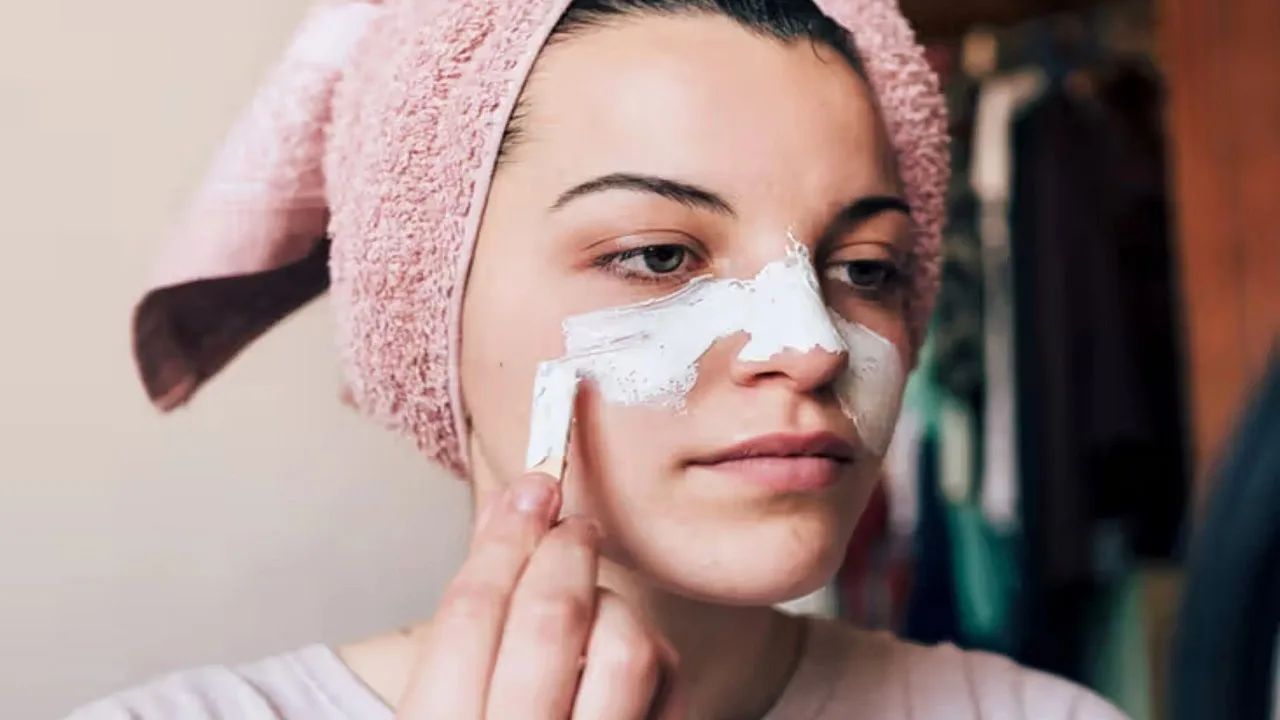
5. Honey and Cinnamon Mask
Honey and cinnamon both have antibacterial properties that can fight acne-causing bacteria. A mask combining these ingredients can help reduce acne and prevent new pimples from forming.
How to Use:
- Mix 2 tablespoons of honey with 1 teaspoon of cinnamon.
- Apply the paste to acne spots and leave it for 10–15 minutes.
- Rinse with lukewarm water.
This mask can be used 2–3 times a week for better results.
6. Manage Stress
Stress is a hidden trigger for acne. When you are stressed, your body produces more hormones like cortisol, which increases oil production and inflammation in the skin. Managing stress naturally can help prevent acne and improve overall health.
Stress-Reducing Techniques:
- Practice meditation or deep breathing exercises.
- Engage in physical activity like yoga, walking, or swimming.
- Maintain a regular sleep schedule.
7. Keep Your Hands Off Your Face
Touching your face frequently transfers dirt, oil, and bacteria to your skin, which can worsen acne. Picking or popping pimples can also lead to scarring and infections.
Tips:
- Avoid resting your chin or face on your hands.
- Keep your phone screen and pillowcases clean.
- Resist the urge to pop pimples.
8. Use Natural Exfoliants
Exfoliating helps remove dead skin cells that clog pores. Natural exfoliants like oatmeal, sugar, and ground almonds can gently remove dead skin without causing irritation.
How to Use:
- Mix oatmeal with a little honey to form a paste.
- Gently massage it onto your face in circular motions for 2–3 minutes.
- Rinse with lukewarm water.
Exfoliate 1–2 times a week, depending on your skin type.
9. Drink Plenty of Water
Hydration is essential for clear skin. Drinking enough water helps flush out toxins, maintain skin elasticity, and reduce inflammation. Aim to drink at least 8 glasses of water daily. You can also include herbal teas and water-rich fruits like cucumber and watermelon.
10. Natural Supplements
Some natural supplements can support skin health and reduce acne.
- Zinc: Reduces inflammation and supports immune function.
- Vitamin A: Helps regulate oil production in the skin.
- Probiotics: Improve gut health, which can influence skin condition.
Consult a healthcare professional before starting any supplement.
Frequently Asked Questions (FAQs)
1. Can natural remedies completely cure acne?
Natural remedies can significantly reduce acne and prevent breakouts. However, severe acne may require professional treatment alongside natural methods.
2. How long does it take to see results?
Natural treatments may take a few weeks to show visible improvements. Consistency is key, as results appear gradually.
3. Can diet really affect acne?
Yes. Diet affects hormone levels and inflammation, which can impact acne. Eating nutrient-rich foods and avoiding processed foods often improves skin health.
4. Is it safe to use essential oils on the face?
Essential oils like tea tree oil are safe when diluted. Undiluted oils can irritate or burn the skin, so always mix them with a carrier oil.
5. Should I stop using my acne medication if I try natural remedies?
Do not stop any prescribed medication without consulting your doctor. Natural remedies can be used alongside medications, but always discuss changes with a healthcare professional.
Conclusion
Treating acne naturally is possible with patience, care, and consistency. By keeping your skin clean, using natural remedies like aloe vera and tea tree oil, maintaining a healthy diet, managing stress, and staying hydrated, you can reduce breakouts and improve skin health. Natural treatments are gentle, safe, and effective, helping you achieve clearer skin without harsh chemicals. Remember, everyone’s skin is different, so it may take some experimentation to find what works best for you.