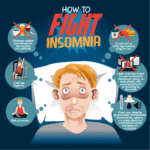



Insomnia is a common sleep disorder that affects millions of people worldwide. It can make falling asleep, staying asleep, or getting restful sleep very difficult. While occasional sleepless nights are normal, chronic insomnia can affect your mood, energy, and overall health. While medications can help, many people prefer natural ways to improve sleep because they avoid side effects and promote overall well-being. This article explains how to treat insomnia naturally and achieve better sleep in a safe and effective way.
Understanding Insomnia
Insomnia is not just a lack of sleep; it’s a problem with sleep quality or duration that affects daily life. It can be caused by stress, anxiety, depression, unhealthy lifestyle habits, poor sleep environment, or medical conditions. Symptoms include difficulty falling asleep, waking up frequently at night, waking up too early, feeling tired during the day, irritability, and trouble focusing. Understanding the root cause of your insomnia is essential to treating it naturally.
Maintain a Consistent Sleep Schedule
One of the most effective natural remedies for insomnia is keeping a consistent sleep schedule. Go to bed and wake up at the same time every day, even on weekends. This helps regulate your body’s internal clock, known as the circadian rhythm. When your body gets used to a routine, it becomes easier to fall asleep and wake up naturally.
Tips:
- Set a regular bedtime and wake-up time.
- Avoid sleeping in or taking long naps during the day.
- Try a relaxing bedtime routine to signal your body it’s time to sleep.
Create a Sleep-Friendly Environment
Your sleep environment plays a huge role in how well you rest at night. A room that is too bright, noisy, or warm can interfere with sleep. Creating a calm and comfortable bedroom encourages your body to relax.
Tips:
- Keep your bedroom cool, quiet, and dark.
- Invest in a comfortable mattress and pillows.
- Remove electronic devices like phones, computers, and TVs.
- Consider using blackout curtains or a white noise machine if necessary.
Limit Stimulants and Heavy Meals
What you eat and drink can significantly affect your sleep. Stimulants like caffeine, nicotine, and sugar can make falling asleep difficult. Similarly, heavy or spicy meals before bedtime can cause discomfort and disrupt sleep.
Tips:
- Avoid coffee, tea, energy drinks, and chocolate in the evening.
- Limit alcohol, which may help you fall asleep initially but can disturb sleep later.
- Eat a light, balanced dinner at least 2–3 hours before bedtime.
Practice Relaxation Techniques
Stress and anxiety are common causes of insomnia. Relaxation techniques help calm the mind and prepare the body for sleep. Incorporating these practices into your bedtime routine can improve sleep naturally.
Techniques:
- Deep Breathing: Take slow, deep breaths to reduce tension.
- Meditation: Guided meditation or mindfulness can quiet the mind.
- Progressive Muscle Relaxation: Tense and release muscles from head to toe.
- Visualization: Imagine a peaceful scene or memory to distract your mind from worries.
Exercise Regularly
Regular physical activity can improve sleep quality by reducing stress and tiring the body naturally. However, timing matters. Exercising too close to bedtime can increase alertness and make falling asleep harder.
Tips:
- Aim for at least 30 minutes of moderate exercise most days.
- Morning or afternoon workouts are best for sleep.
- Yoga or stretching in the evening can help relax the body before bed.
Limit Screen Time Before Bed
The blue light from phones, tablets, and computers can interfere with the production of melatonin, a hormone that regulates sleep. Reducing screen exposure before bed can help your body prepare for rest.
Tips:
- Turn off electronic devices at least 1 hour before bedtime.
- Try reading a physical book or listening to calming music instead.
- Use blue light filters if screens are necessary in the evening.
Use Natural Sleep Aids
Certain natural remedies can help promote sleep without harmful side effects. Herbs, teas, and supplements may be useful when combined with good sleep habits.
Options:
- Chamomile Tea: Has mild sedative properties.
- Valerian Root: Can help reduce sleep latency (time it takes to fall asleep).
- Lavender: Aromatherapy with lavender oil promotes relaxation.
- Magnesium: Supports nervous system function and muscle relaxation.
Always consult a healthcare professional before using supplements, especially if you have underlying conditions or take medications.
Manage Your Daytime Habits
How you live during the day affects how well you sleep at night. Lifestyle habits, stress management, and mental health play important roles.
Tips:
- Get natural sunlight exposure in the morning to regulate your body clock.
- Avoid napping too long during the day.
- Reduce stress through journaling, hobbies, or connecting with loved ones.
Cognitive Behavioral Therapy for Insomnia (CBT-I)
For persistent insomnia, cognitive behavioral therapy for insomnia (CBT-I) is considered highly effective. It helps you change thoughts and behaviors that prevent sleep. Techniques include:
- Sleep restriction therapy (limiting time in bed to match actual sleep)
- Stimulus control (associating bed with sleep, not stress or work)
- Cognitive restructuring (changing negative thoughts about sleep)
CBT-I can be done with a trained therapist or through online programs.
Be Patient and Consistent
Natural remedies take time to work. Improvements may be gradual, so it’s important to be consistent and patient. Combining multiple strategies—healthy sleep habits, relaxation techniques, exercise, and natural aids—often yields the best results.
FAQs About Treating Insomnia Naturally
1. Can insomnia be cured without medication?
Yes, many people can manage or even overcome insomnia using natural strategies such as sleep hygiene, relaxation techniques, exercise, and cognitive behavioral therapy.
2. How long does it take to see improvement with natural remedies?
It varies depending on the individual, but most people notice improvement within 2–4 weeks of consistently applying good sleep habits and relaxation techniques.
3. Are herbal teas really effective for insomnia?
Yes, teas like chamomile, valerian root, and peppermint can help calm the mind and promote sleep. They are mild and safe for most people.
4. Can exercise really help with sleep?
Absolutely. Regular exercise reduces stress, increases tiredness naturally, and helps regulate the sleep-wake cycle. Avoid intense exercise right before bedtime.
5. What should I do if natural remedies don’t work?
If insomnia persists for more than a few weeks, it’s important to consult a healthcare professional. Persistent insomnia may be linked to underlying medical conditions or mental health issues.
Conclusion
Treating insomnia naturally involves a combination of healthy lifestyle habits, a calm sleep environment, stress management, and sometimes herbal aids. By adopting a consistent sleep schedule, practicing relaxation techniques, limiting stimulants, exercising regularly, and managing daytime habits, you can improve your sleep quality without relying on medication. Remember, patience and consistency are key—over time, these natural strategies can help you enjoy restful, restorative sleep and improve your overall well-being.