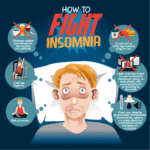



Sleep is one of the most important aspects of our health, yet many people struggle to get a good night’s rest. Whether it’s due to stress, a busy lifestyle, or poor sleep habits, inadequate sleep can affect your mood, focus, and overall well-being. The good news is that there are simple, effective ways to improve your sleep quality and wake up feeling refreshed. In this article, we’ll explore practical tips for better sleep at night that you can start implementing today.
Why Good Sleep is Important
Sleep is not just about feeling rested; it’s essential for your body and mind. During sleep, your body repairs tissues, strengthens the immune system, and consolidates memories. Poor sleep, on the other hand, can increase the risk of health problems such as obesity, diabetes, heart disease, and mental health issues like anxiety and depression.
Getting better sleep improves your mood, productivity, and even your relationships. Understanding this makes it easier to prioritize sleep and develop healthy habits that support it.
1. Stick to a Consistent Sleep Schedule
One of the most effective ways to improve sleep is to maintain a consistent sleep schedule. Going to bed and waking up at the same time every day—even on weekends—helps regulate your body’s internal clock. This makes it easier to fall asleep at night and wake up naturally in the morning.
Try to pick a bedtime that allows for 7–9 hours of sleep and stick to it. Over time, your body will adjust, and you’ll find it easier to fall asleep and stay asleep.
2. Create a Relaxing Bedtime Routine
A relaxing pre-sleep routine signals to your brain that it’s time to wind down. This can include activities like:
- Reading a book or listening to calming music
- Taking a warm bath or shower to relax your muscles
- Practicing meditation or deep breathing exercises to reduce stress
- Avoiding screens at least 30–60 minutes before bed
Avoid stressful activities, work emails, or arguments right before bed, as these can increase anxiety and make it harder to sleep.
3. Optimize Your Sleep Environment
Your bedroom should be a sanctuary for sleep. Pay attention to the environment and make adjustments that promote rest:
- Keep the room dark: Use blackout curtains or an eye mask.
- Maintain a comfortable temperature: Most people sleep best in a slightly cool room.
- Reduce noise: Use earplugs or a white noise machine if necessary.
- Invest in a comfortable mattress and pillows: Supportive bedding improves sleep quality and reduces discomfort.
A peaceful sleep environment can significantly improve both how quickly you fall asleep and the quality of your rest.
4. Limit Stimulants Before Bed
Caffeine, nicotine, and alcohol can interfere with your ability to sleep.
- Caffeine can stay in your system for several hours, so avoid coffee, tea, chocolate, or energy drinks in the late afternoon or evening.
- Nicotine is a stimulant that can disrupt sleep patterns.
- Alcohol may help you fall asleep initially but reduces the quality of deep sleep.
Instead, try drinking herbal tea like chamomile or peppermint, which can be calming and soothing before bedtime.
5. Get Regular Exercise
Physical activity can help you fall asleep faster and enjoy deeper sleep. Aim for at least 30 minutes of moderate exercise most days, such as walking, jogging, yoga, or cycling.
However, avoid intense exercise close to bedtime, as it can increase alertness and make it harder to sleep. The best time for vigorous workouts is in the morning or afternoon.
6. Watch What You Eat at Night
Eating heavy meals or sugary snacks before bed can interfere with sleep. Avoid large dinners at least 2–3 hours before bedtime. If you need a small snack, choose foods that support sleep, such as:
- Bananas
- Almonds
- Oatmeal
- Yogurt
These foods contain nutrients like magnesium, potassium, and tryptophan, which can help your body relax and prepare for sleep.
7. Manage Stress and Anxiety
Stress and anxiety are major causes of insomnia. Managing them can improve sleep quality significantly. Some strategies include:
- Journaling: Write down your thoughts to clear your mind before bed.
- Meditation or mindfulness practices: Helps calm racing thoughts.
- Breathing exercises: Slow, deep breaths can trigger relaxation.
- Talking to someone you trust: Sharing your worries can reduce stress.
A calm mind allows your body to naturally transition into sleep mode.
8. Limit Screen Time and Blue Light Exposure
The blue light emitted by phones, tablets, and computers can interfere with your body’s production of melatonin, a hormone that regulates sleep. To improve sleep:
- Avoid screens 1 hour before bed
- Use blue light filters or night mode if you must use devices
- Opt for relaxing activities like reading a book or listening to music
Reducing screen time before sleep helps your brain prepare for rest.
9. Consider Natural Sleep Aids
If you still have trouble sleeping, some natural aids may help, though they should not replace healthy habits:
- Melatonin supplements: Can help regulate sleep cycles.
- Herbal teas: Chamomile, valerian root, or lavender can be calming.
- Essential oils: Using a diffuser with lavender or sandalwood may support relaxation.
Always consult a healthcare professional before trying supplements.
10. Seek Professional Help if Needed
If you consistently struggle with sleep despite following these tips, it may be time to consult a doctor or sleep specialist. Conditions like insomnia, sleep apnea, or restless leg syndrome can significantly disrupt sleep and require professional treatment.
FAQs About Better Sleep at Night
1. How many hours of sleep do I need?
Most adults need 7–9 hours of sleep per night, though individual needs may vary slightly. Quality of sleep is just as important as quantity.
2. Is napping during the day bad for sleep at night?
Short naps (20–30 minutes) can be refreshing, but long or late-afternoon naps may make it harder to fall asleep at night.
3. Can my diet affect my sleep?
Yes, foods high in sugar, caffeine, or fat can disrupt sleep, while foods with magnesium, potassium, and tryptophan can promote it.
4. Why do I wake up in the middle of the night?
Waking up can be caused by stress, sleep apnea, drinking too much liquid before bed, or an uncomfortable sleep environment.
5. Are sleep aids safe to use?
Over-the-counter or prescription sleep aids can help temporarily, but they should be used cautiously and under a doctor’s supervision. Natural methods are safer long-term.
Conclusion
Getting better sleep is not about a single trick—it’s about creating healthy habits that support your body’s natural rhythm. By following these tips, you can improve both the quantity and quality of your sleep, helping you feel more energized, focused, and healthier overall. Start small, be consistent, and soon you’ll notice the difference in your nights—and your days.